
यदि आप Mailinator के विकल्प तलाश रहे हैं, तो आप शायद केवल एक और अस्थायी ईमेल सेवा नहीं ढूंढ रहे हैं — आप एक ऐसा इनबॉक्स चाहते हैं जो उन्हीं सीमाओं के बिना आपके काम के अनुकूल हो।
Verizon की 2025 डेटा ब्रीच इन्वेस्टिगेशन रिपोर्ट ने 22,000 से अधिक सुरक्षा घटनाओं का विश्लेषण किया और पाया कि समझौता किए गए क्रेडेंशियल खातों और प्रणालियों में सेंध लगाने का एक प्रमुख जरिया बने हुए हैं।
यह डिस्पोजेबल ईमेल को कम जोखिम वाले साइनअप और एकमुश्त सत्यापन के लिए उपयोगी बनाता है — लेकिन हर अस्थायी इनबॉक्स एक ही तरह से काम नहीं करता है। Mailinator तेज़ और सुविधाजनक है, फिर भी इसके मुफ्त सार्वजनिक इनबॉक्स उस सरलता के बदले गोपनीयता और डेटा प्रतिधारण (retention) से समझौता करते हैं।
तो जब Mailinator सही विकल्प न हो, तो आपको क्या उपयोग करना चाहिए? हमने अगस्त 2026 में 8 मुफ्त विकल्पों का परीक्षण किया, जिसमें गोपनीयता, प्रतिधारण, डोमेन विकल्प, उत्तर समर्थन और वास्तविक दुनिया के साइनअप उपयोग की तुलना की गई।
यहाँ वे विकल्प दिए गए हैं जो उपयोग करने योग्य हैं — और प्रत्येक वास्तव में किस काम के लिए सबसे अच्छा है।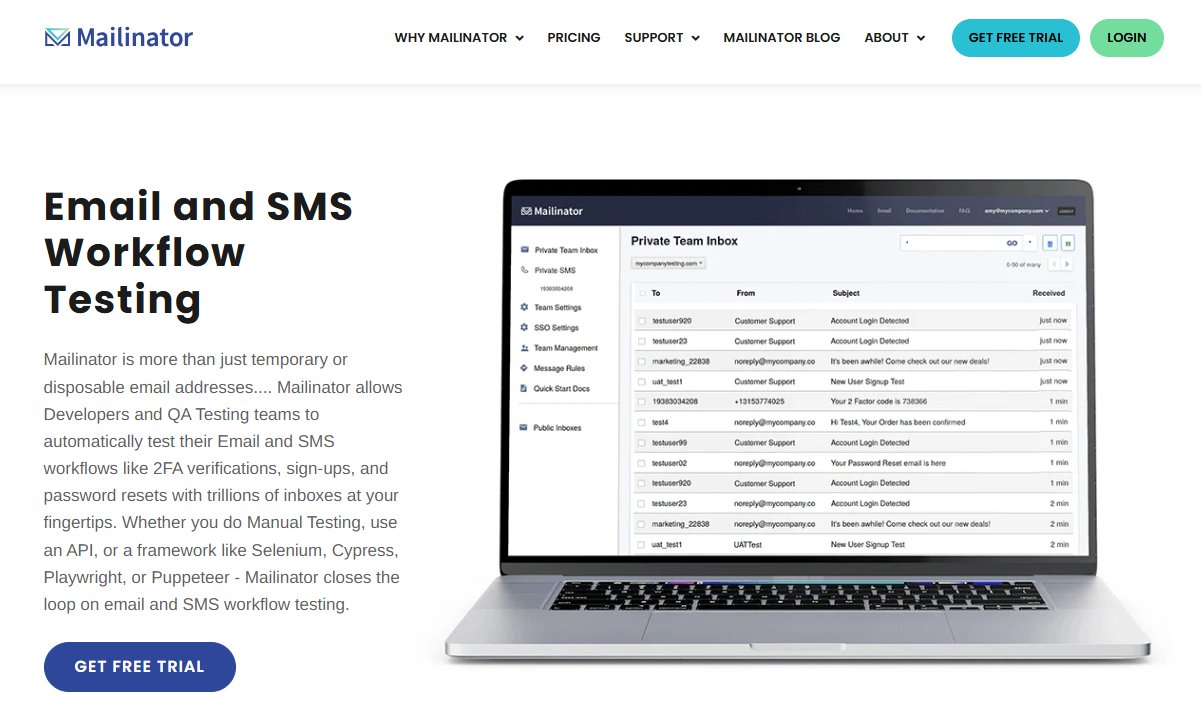
त्वरित उत्तर: सबसे अच्छे Mailinator विकल्प
यदि आप केवल संक्षिप्त उत्तर चाहते हैं: Tempemail.cc त्वरित साइनअप और सत्यापन ईमेल के लिए हमारा सबसे अच्छा विकल्प है। MailDrop डेवलपर्स के लिए बेहतर है, जबकि यदि ईमेल प्रतिधारण सबसे महत्वपूर्ण है तो YOPmail जीतता है।
यहाँ शीर्ष पांच की तुलना दी गई है। हमने अगस्त 2026 में प्रत्येक सेवा की आधिकारिक साइट के साथ हर आंकड़े को सत्यापित किया है।
| टूल | किसके लिए सबसे अच्छा है | प्रतिधारण | निजी इनबॉक्स | उत्तर दें | साइनअप |
|---|---|---|---|---|---|
| Tempemail.cc | त्वरित साइनअप | उपयोगकर्ता-नियंत्रित | हाँ | नहीं | नहीं |
| MailDrop | डेवलपर परीक्षण | 24 घंटे | नहीं | नहीं | नहीं |
| Guerrilla Mail | उत्तर देना | 1 घंटा | नहीं | हाँ | नहीं |
| 10 Minute Mail | एकमुश्त कोड | 100 मिनट तक | हाँ | नहीं | नहीं |
| YOPmail | लंबा प्रतिधारण | 8 दिन | नहीं | हाँ | नहीं |
कुछ चीजें अलग दिखती हैं। MailDrop किसी भी ऐसे इनबॉक्स को 24 घंटे बाद खाली कर देता है जिसमें कोई नया मेल नहीं आता है और इसे 10 संदेशों तक सीमित रखता है, इसलिए यह त्वरित परीक्षण के लिए बनाया गया है, न कि भंडारण के लिए। Guerrilla Mail हर संदेश को एक घंटे के बाद हटा देता है, लेकिन यह उन चुनिंदा सेवाओं में से एक है जो आपको उत्तर देने और फॉरवर्ड करने की अनुमति देती है।
YOPmail मेल को सबसे लंबे समय तक रखता है, लेकिन इसके इनबॉक्स में कोई पासवर्ड नहीं होता है — जो कोई भी नाम का अनुमान लगा ले, वह इसे पढ़ सकता है।
Mailinator का विकल्प क्यों तलाशें?
Mailinator जरूरी नहीं कि गलत टूल हो। यह तब गलत टूल है जब आपको गोपनीयता, अनुमानित प्रतिधारण, या उपभोक्ता-अनुकूल थ्रोअवे इनबॉक्स की आवश्यकता होती है। सेवा ने QA और डेवलपर परीक्षण की ओर रुख किया है, और इसका मुफ्त सार्वजनिक स्तर इसे दर्शाता है। यहाँ बताया गया है कि यह नियमित उपयोगकर्ताओं को कैसे प्रभावित करता है।
सार्वजनिक इनबॉक्स
यह कोई बग नहीं है — यह डिज़ाइन है। Mailinator का FAQ इसे स्पष्ट रूप से कहता है: हर संभव पता @mailinator.com पहले से मौजूद है, कोई साइनअप और कोई लॉगिन नहीं है, और "कोई भी साइन अप किए बिना, लॉग इन किए बिना, या व्यक्तिगत जानकारी साझा किए बिना ईमेल पढ़ सकता है।"
व्यावहारिक रूप से: Mailinator के सार्वजनिक इनबॉक्स पेज में अपने इनबॉक्स का नाम टाइप करें, और मेल वहां मौजूद है। और वही किसी और के लिए भी है जो उसी नाम का अनुमान लगाता है। यदि आपके सत्यापन ईमेल में पासवर्ड, रीसेट लिंक या ऑर्डर नंबर है, तो कोई भी इसे पढ़ सकता है।
आपको इसके बजाय क्या चाहिए: एक ऐसी सेवा जो आपको एक निजी इनबॉक्स दे, न कि सार्वजनिक।
कम संदेश प्रतिधारण
Mailinator का अपना FAQ: सार्वजनिक ईमेल "कई घंटों तक रहते हैं, और फिर सिस्टम उन्हें स्वतः हटा देता है। एक बार हटा दिए जाने के बाद, वे हमेशा के लिए चले जाते हैं।"
यह एकमुश्त कोड के लिए ठीक है। यदि संदेश देर से आता है, या यदि आपको इसे कल फिर से जांचने की आवश्यकता है, तो यह एक समस्या है।
जब पासवर्ड रिकवरी की बात आती है तो कम प्रतिधारण एक वास्तविक नुकसान में बदल जाता है। Reddit पर किस्से बताते हैं कि यह निराशाजनक क्यों हो सकता है: उपयोगकर्ताओं ने खातों के अस्थायी या डिस्पोजेबल पतों से जुड़े होने के बाद पासवर्ड-रीसेट ईमेल प्राप्त करने में समस्याओं की सूचना दी है। यह साबित नहीं करता है कि Mailinator ने लॉकआउट का कारण बना, लेकिन यह अंतर्निहित जोखिम को उजागर करता है — यदि इनबॉक्स गायब हो जाता है, तो रिकवरी एक ऐसे ईमेल पते पर निर्भर करती है जिसे आप अब नियंत्रित नहीं करते हैं।
आपको इसके बजाय क्या चाहिए: एक ऐसा पता जो बाद में रिकवरी मेल प्राप्त करने के लिए पर्याप्त समय तक जीवित रहे।
डिस्पोजेबल डोमेन अस्वीकार कर दिए जाते हैं
Mailinator डोमेन को सार्वजनिक ईमेल-डोमेन ब्लॉकलिस्ट द्वारा डिस्पोजेबल के रूप में भी वर्गीकृत किया गया है। उदाहरण के लिए, व्यापक रूप से उपयोग की जाने वाली disposable-email-domains परियोजना mailinator.com को एक डिस्पोजेबल डोमेन के रूप में पहचानती है।
यह मायने रखता है क्योंकि कई साइनअप सिस्टम अस्थायी पतों को अस्वीकार करने के लिए डिस्पोजेबल-डोमेन सूचियों या समान धोखाधड़ी फिल्टर का उपयोग करते हैं। यहां तक कि Mailinator भी अपने होमपेज पर इसे स्वीकार करता है: "जब प्लेटफॉर्म डिस्पोजेबल या सार्वजनिक डोमेन को अस्वीकार करते हैं तो परीक्षण ईमेल ब्लॉक हो जाते हैं।"
आपको इसके बजाय क्या चाहिए: कई डोमेन वाली एक सेवा, ताकि यदि एक पता अस्वीकार कर दिया जाए तो आपके पास दूसरा विकल्प हो।
केवल-प्राप्त करने की सीमाएं
Mailinator के FAQ के शीर्ष से: "Mailinator एक केवल-प्राप्त करने वाला ईमेल सिस्टम है, इसलिए यह ईमेल नहीं भेज सकता है।" मुफ्त सार्वजनिक सिस्टम अटैचमेंट को भी ब्लॉक करता है और आकार और दर सीमाएं लागू करता है।
इसलिए एक साइनअप जिसके लिए आपको उत्तर देने की आवश्यकता होती है, या एक पुष्टिकरण जो PDF के रूप में आता है, बस विफल हो जाता है — बिना किसी त्रुटि के कि क्यों।
आपको इसके बजाय क्या चाहिए: एक अस्थायी मेल सेवा जो कम से कम अटैचमेंट को संभाल सके, यदि आपको कभी सादे सत्यापन कोड से अधिक की आवश्यकता हो।
क्या Mailinator की अपनी योजनाओं में सुधार है?
आंशिक रूप से। Mailinator अब एक मुफ्त "Verified Pro" योजना प्रदान करता है जिसमें निजी इनबॉक्स, एक निजी परीक्षण डोमेन और अटैचमेंट शामिल हैं — लेकिन इसके लिए सत्यापन की आवश्यकता होती है और इसे आकस्मिक थ्रोअवे साइनअप के बजाय QA और डेवलपर परीक्षण के लिए डिज़ाइन किया गया है।
तो असली सवाल केवल यह नहीं है कि "क्या Mailinator मुफ्त है?" यह है: आपको वास्तव में कौन सा Mailinator स्तर मिल रहा है? यदि आप बिना किसी खाते या सत्यापन के केवल एक त्वरित डिस्पोजेबल इनबॉक्स चाहते हैं, तो उपभोक्ता-केंद्रित विकल्प अभी भी आसान हो सकता है।
डेवलपर्स बनाम नियमित उपयोगकर्ताओं के लिए अलग-अलग ज़रूरतें
यहाँ ईमानदार ढांचा है: Mailinator के सार्वजनिक इनबॉक्स QA टीमों और डेवलपर्स के लिए वास्तव में उपयोगी हैं जिन्हें परीक्षण ईमेल का निरीक्षण करने की आवश्यकता है। उस काम के लिए, यह एक ठोस टूल बना हुआ है।
नीचे दिए गए विकल्प तब बेहतर होते हैं जब आप एक नियमित उपयोगकर्ता होते हैं — कोई ऐसा व्यक्ति जिसे साइनअप के लिए एक काम करने वाले थ्रोअवे पते की आवश्यकता होती है, जिसमें एक निजी इनबॉक्स, कोई सत्यापन बाधाएं नहीं, और कोई ब्लॉकलिस्टेड डोमेन नहीं होता है।
हमने इन Mailinator विकल्पों का परीक्षण कैसे किया
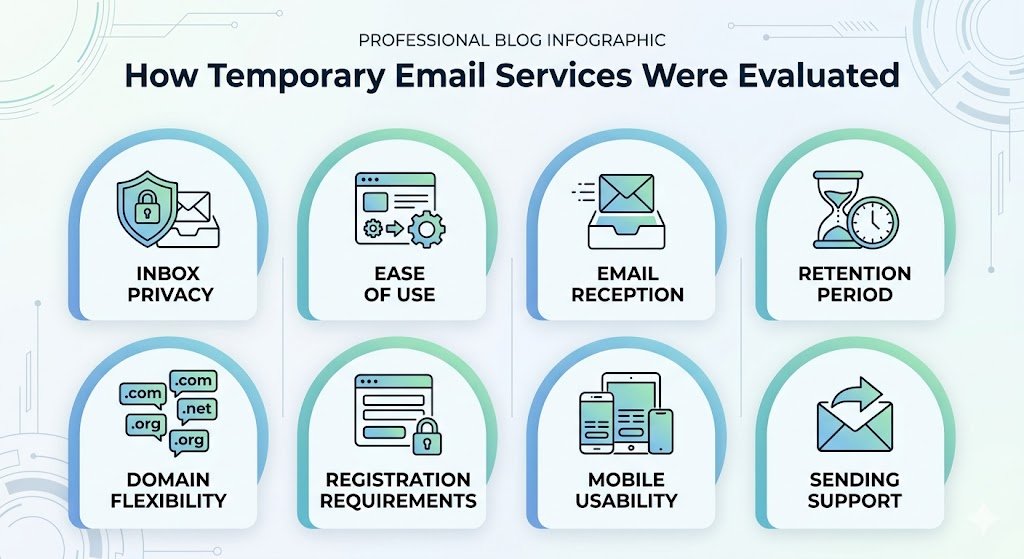
हमने अगस्त 2026 में एक नए डेस्कटॉप ब्राउज़र सत्र का उपयोग करके प्रत्येक सेवा की जाँच की। प्रत्येक टूल के लिए, हमने पता निर्माण, इनबॉक्स गोपनीयता, संदेश प्रतिधारण, भेजने/उत्तर देने का समर्थन, अटैचमेंट, डोमेन विकल्प और क्या सेवा को पंजीकरण की आवश्यकता है, पर ध्यान दिया। जहां प्रदाता द्वारा सीमा बताई गई थी, हमने स्वयं अनुमान लगाने के बजाय प्रदाता के प्रकाशित आंकड़े का उपयोग किया।
2026 में 8 सबसे अच्छे Mailinator विकल्प
नीचे दिया गया हर टूल एक ही प्रारूप का पालन करता है: यह क्या करता है, हमें क्या पसंद आया, समस्या क्या है, और इसे कब छोड़ना है। वही मानक सभी आठों पर लागू होता है — हमारी अपनी सेवा सहित।
1. Tempemail.cc — कुल मिलाकर सबसे अच्छा
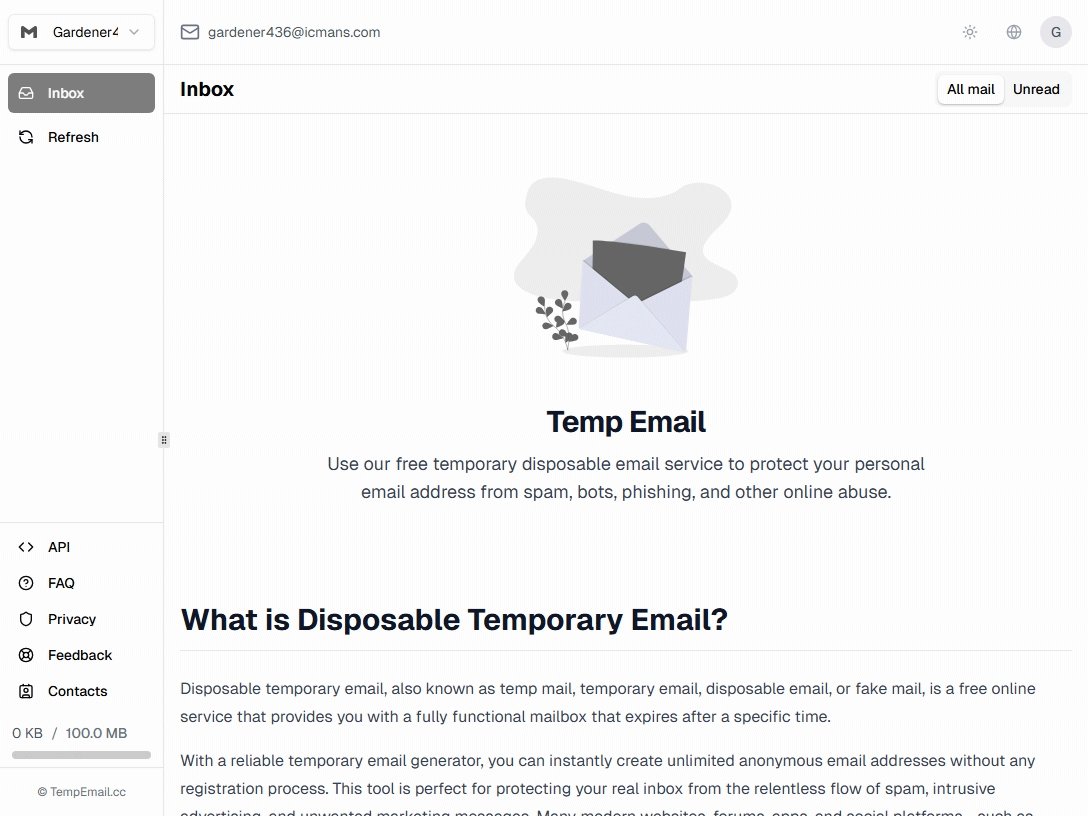
एक बिना-साइनअप अस्थायी इनबॉक्स जहाँ आप पता और जीवनकाल को नियंत्रित करते हैं।
हमें क्या पसंद आया: कोई पंजीकरण नहीं, और आप अपना खुद का उपयोगकर्ता नाम चुन सकते हैं या इसे स्वतः उत्पन्न होने दे सकते हैं। इनबॉक्स स्वतः-रीफ्रेश होता है, इसलिए सत्यापन कोड आपके रीलोड दबाए बिना दिखाई देते हैं। जब आप समाप्त कर लें तो आप एक क्लिक के साथ पूरे मेलबॉक्स को हटा सकते हैं।
समस्या: यह केवल-प्राप्त करने वाला है — आप ईमेल का उत्तर नहीं दे सकते। और अधिकांश मुफ्त डिस्पोजेबल इनबॉक्स की तरह, इसे दीर्घकालिक खाता रिकवरी के लिए डिज़ाइन नहीं किया गया है।
किसके लिए सबसे अच्छा है: त्वरित साइनअप और सत्यापन कोड जिन्हें आप अपने समय पर हटाना चाहते हैं।
इसे छोड़ दें यदि: आपको ईमेल भेजने या उत्तर देने की आवश्यकता है।
2. MailDrop — डेवलपर्स के लिए सबसे अच्छा
एक मुफ्त, डेवलपर-अनुकूल इनबॉक्स जिसमें एक खुला API है — और कठिन सीमाएं हैं।
हमें क्या पसंद आया: @maildrop.cc के आगे कोई भी उपसर्ग बनाएं और इनबॉक्स तुरंत मौजूद हो जाता है। MailDrop में आधिकारिक curl उदाहरणों के साथ एक मुफ्त सार्वजनिक GraphQL API (api.maildrop.cc) है — जो हमारे द्वारा परीक्षण किए गए टूल में अद्वितीय है। साइट के अनुसार, इसका Heluna फ़िल्टर 90%+ स्पैम को ब्लॉक करता है।
समस्या: आधिकारिक दस्तावेज़ ट्रेड-ऑफ बताते हैं: इनबॉक्स बिना नए मेल के 24 घंटे बाद स्वतः खाली हो जाते हैं, अधिकतम 10 संदेश रखते हैं, और सभी अटैचमेंट हटा देते हैं।
किसके लिए सबसे अच्छा है: ऐप्स में ईमेल प्रवाह का परीक्षण करने वाले डेवलपर्स।
इसे छोड़ दें यदि: आप अटैचमेंट या 10 से अधिक संदेशों की अपेक्षा करते हैं।
3. Guerrilla Mail — उत्तर देने के लिए सबसे अच्छा
यहाँ सबसे पुरानी सेवा (2006 से चल रही है) — और उन चुनिंदा सेवाओं में से एक जो आपको उत्तर देने की अनुमति देती है।
हमें क्या पसंद आया: बिना साइनअप के एक यादृच्छिक पता, और स्विच करने के लिए 11 डोमेन, जिसमें sharklasers.com और grr.la शामिल हैं। आप संदेशों का उत्तर दे सकते हैं और फॉरवर्ड कर सकते हैं, जिसे अधिकांश अस्थायी मेल सेवाएं ब्लॉक करती हैं।
समस्या: सभी ईमेल 1 घंटे के बाद हटा दिए जाते हैं। और इनबॉक्स उन सभी के लिए सार्वजनिक है जो आपकी ID का अनुमान लगाते हैं — हालांकि आप अनुमान लगाना कठिन बनाने के लिए पते को स्क्रैम्बल कर सकते हैं।
किसके लिए सबसे अच्छा है: छोटी बातचीत जहाँ आपको उत्तर देने की आवश्यकता होती है, कई डोमेन पर।
इसे छोड़ दें यदि: आपको बाद में ईमेल की आवश्यकता हो सकती है — 1 घंटा जल्दी बीत जाता है।
4. 10 Minute Mail — एकमुश्त कोड के लिए सबसे अच्छा
एक सख्त टाइमर पर एक निजी, यादृच्छिक इनबॉक्स — एक-शॉट साइनअप के लिए बनाया गया है।
हमें क्या पसंद आया: आपका पता 10 मिनट में समाप्त हो जाता है, और आप कुल 100 मिनट तक बढ़ा सकते हैं। Mailinator के डिफ़ॉल्ट पर दो गोपनीयता जीत: पते यादृच्छिक रूप से उत्पन्न होते हैं (अनुमान लगाने के लिए कोई कस्टम नाम नहीं), और अन्य आपके मेल नहीं पढ़ सकते हैं। सेवा नियमित रूप से अपने डोमेन को भी घुमाती है।
समस्या: टाइमर सख्त है। अभी-अभी समाप्त हुए मेलबॉक्स को संक्षेप में पुनर्प्राप्त किया जा सकता है, लेकिन सीमा पार करने के बाद, मेल चला जाता है — जिसमें देर से आने वाला कोई भी कोड शामिल है।
किसके लिए सबसे अच्छा है: एक निजी इनबॉक्स के साथ एक त्वरित सत्यापन कोड।
इसे छोड़ दें यदि: ईमेल देर से आ सकता है।

5. YOPmail — लंबे प्रतिधारण के लिए सबसे अच्छा
इस सूची में सबसे लंबा प्रतिधारण: हर इनबॉक्स 8 दिनों के लिए मेल रखता है, जबकि अधिकांश प्रतिद्वंद्वी घंटों के भीतर हटा देते हैं।
हमें क्या पसंद आया: कोई पंजीकरण नहीं — कोई भी इनबॉक्स नाम टाइप करें और यह पहले से मौजूद है। संदेश रखे जाते हैं8 दिन, और इनबॉक्स कभी डिलीट नहीं होते। YOPmail हर दिन एक नया डोमेन नाम जोड़ता है, और आप संदेशों का उत्तर भी दे सकते हैं।
कमी: "बिना पासवर्ड" का दूसरा पहलू यह है कि जो कोई भी आपके इनबॉक्स का नाम टाइप करेगा, वह आपके मेल पढ़ सकता है। इसी कारण YOPmail खुद असामान्य इनबॉक्स नाम या उपनाम (aliases) इस्तेमाल करने का सुझाव देता है।
किसके लिए सबसे अच्छा है: उन साइनअप के लिए जहाँ आपको एक सप्ताह के भीतर ईमेल की दोबारा आवश्यकता पड़ सकती है।
इसे छोड़ दें यदि: आपको गोपनीयता (privacy) की आवश्यकता है।
6. Temp-Mail — सबसे प्रसिद्ध ब्रांड
यह सबसे पहचाना जाने वाला टेम्प मेल ब्रांड है, जिसके Android और iOS के लिए मोबाइल ऐप्स उपलब्ध हैं।
हमें क्या पसंद आया: कोई पंजीकरण नहीं। पता अपने आप जनरेट हो जाता है, और आप इसे होम पेज से बदल या डिलीट कर सकते हैं। आधिकारिक तौर पर, पता "तब तक वैध रहता है जब तक आप इसे डिलीट नहीं करते या जब तक सेवा डोमेन सूची नहीं बदलती" — यह कठिन टाइमर की तुलना में अधिक लचीला है। मोबाइल ऐप्स इसे सबसे आसान विकल्प बनाते हैं यदि आप अपने फोन पर कोड प्राप्त करते हैं।
कमी: ईमेल भेजना पूरी तरह से अक्षम है। साइट प्रीमियम टियर को बढ़ावा देती है और विज्ञापन दिखाती है — जिसमें होमपेज पर एक बड़ा eSIM बैनर शामिल है — और यह कोई सटीक रिटेंशन समय प्रकाशित नहीं करती है, इसलिए आप किसी निर्धारित समय सीमा पर भरोसा नहीं कर सकते।
किसके लिए सबसे अच्छा है: मोबाइल ऐप्स वाले एक परिचित नाम के लिए।
इसे छोड़ दें यदि: आप शून्य विज्ञापन या एक निर्धारित रिटेंशन अवधि चाहते हैं।
7. EmailOnDeck — क्षणिक गोपनीयता के लिए सबसे अच्छा
"दो आसान चरणों" वाली सेवा जहाँ कुछ भी स्थायी नहीं रहता।
हमें क्या पसंद आया: पता बनाने में दो क्लिक लगते हैं, और सेवा को डिस्पोजेबिलिटी (अस्थायी उपयोग) के लिए बनाया गया है: सर्वर और लॉग लगातार बिना किसी बैकअप के मिटा दिए जाते हैं, और ट्रैश-बटन पर एक क्लिक सब कुछ बिना रिकवरी के डिलीट कर देता है। होमपेज काउंटर 207 मिलियन से अधिक प्रोसेस किए गए अस्थायी ईमेल दिखाता है, और यदि आप फ्री वर्जन से आगे बढ़ना चाहते हैं तो एक PRO टियर और API भी उपलब्ध है।
कमी: पहले एक hCaptcha चेक आता है — अतिरिक्त परेशानी जो अधिकांश प्रतिद्वंद्वियों में नहीं है। साइट के अपने शब्दों में ईमेल "दिन का अधिकांश समय" तक रहते हैं; यह स्वीकार करती है कि कोई सटीक समय नहीं है, और अपना ब्राउज़र बंद करने से एक्सेस जल्दी समाप्त हो सकता है।
किसके लिए सबसे अच्छा है: गोपनीयता-केंद्रित वन-ऑफ साइनअप के लिए जहाँ कुछ भी बचना नहीं चाहिए।
इसे छोड़ दें यदि: आप कैप्चा से नफरत करते हैं या आपको एक अनुमानित जीवनकाल की आवश्यकता है।
8. AdGuard Temp Mail — सबसे अच्छा गोपनीयता-ब्रांड विकल्प
एक मुफ्त, बिना-खाते वाली टेम्प इनबॉक्स सेवा, जो ऐसी कंपनी द्वारा दी गई है जिसका मुख्य व्यवसाय ट्रैकर्स को ब्लॉक करना है।
हमें क्या पसंद आया: FAQ में सटीक रिटेंशन नियम दिए गए हैं, जो दुर्लभ है: एक अप्रयुक्त इनबॉक्स 7 दिनों के बाद डिलीट हो जाता है, और एक सक्रिय इनबॉक्स अधिकतम 6 महीने तक जीवित रहता है। इनबॉक्स सार्वजनिक नाम के बजाय आपके ब्राउज़र सत्र से जुड़ा होता है, और AdGuard का कहना है कि यह प्रेषकों से आपका IP पता छिपाता है।
कमी: यह केवल प्राप्त करने के लिए है, अटैचमेंट स्वीकार नहीं करता है, और आप अपना खुद का डोमेन नहीं चुन सकते। एक नया पता जनरेट करने से पुराना इनबॉक्स तुरंत डिलीट हो जाता है, बिना किसी रिकवरी के — और FAQ खुद चेतावनी देता है: "महत्वपूर्ण खातों या डेटा के लिए AdGuard Temp Mail का उपयोग न करें।"
किसके लिए सबसे अच्छा है: उन लोगों के लिए जो पहले से ही AdGuard पर भरोसा करते हैं और एक ज्ञात गोपनीयता कंपनी से टेम्प इनबॉक्स चाहते हैं।
इसे छोड़ दें यदि: आप अटैचमेंट, कस्टम डोमेन या उत्तर (replies) चाहते हैं।
Mailinator विकल्पों की तुलना
| टूल | गोपनीयता | रिटेंशन | उत्तर दें | अटैचमेंट | कस्टम पता | एकाधिक डोमेन | साइनअप |
|---|---|---|---|---|---|---|---|
| Tempemail.cc | निजी | उपयोगकर्ता-नियंत्रित | नहीं | नहीं | हाँ | हाँ | नहीं |
| MailDrop | सार्वजनिक | 24 घंटे | नहीं | नहीं | हाँ | नहीं | नहीं |
| Guerrilla Mail | सार्वजनिक | 1 घंटा | हाँ | नहीं | नहीं | हाँ (11) | नहीं |
| 10 Minute Mail | निजी | 100 मिनट तक | नहीं | नहीं | नहीं | रोटेट होता है | नहीं |
| YOPmail | सार्वजनिक | 8 दिन | हाँ | नहीं | हाँ | हाँ (दैनिक) | नहीं |
| Temp-Mail | सार्वजनिक | नहीं बताया गया | नहीं | नहीं | नहीं | हाँ | नहीं |
| EmailOnDeck | निजी-जैसा* | "दिन का अधिकांश समय" | नहीं | नहीं | नहीं | हाँ | कैप्चा |
| AdGuard Temp Mail | निजी | 7 दिन–6 महीने | नहीं | नहीं | नहीं | नहीं | नहीं |
*EmailOnDeck का इनबॉक्स सार्वजनिक रूप से सूचीबद्ध नहीं है, लेकिन एक्सेस आपके सत्र और सहेजे गए टोकन पर निर्भर करता है।
आपको किस Mailinator विकल्प का उपयोग करना चाहिए?
निजी इनबॉक्स के लिए
Tempemail.cc या AdGuard Temp Mail का उपयोग करें। दोनों आपको एक ऐसा इनबॉक्स देते हैं जो सार्वजनिक नाम नहीं है जिसे कोई भी टाइप कर सके। Tempemail.cc शुरू करने के लिए तेज़ है; AdGuard अपनी गोपनीयता-ब्रांड प्रतिष्ठा और लंबी रिटेंशन अवधि जोड़ता है।
एक वेरिफिकेशन कोड के लिए
10 Minute Mail का उपयोग करें। यह बिल्कुल इसी के लिए बनाया गया है — एक निजी, यादृच्छिक पता जो एक कोड के लिए पर्याप्त समय तक जीवित रहता है, फिर गायब हो जाता है। यदि कोड नहीं आता है, तो एक नया पता जनरेट करें और फिर से प्रयास करें। साफ करने के लिए कुछ भी नहीं है।
कल उसी इनबॉक्स पर लौटने के लिए
YOPmail का उपयोग करें। अधिकांश टेम्प मेल पते घंटों के भीतर गायब हो जाते हैं। YOPmail संदेशों को 8 दिनों तक रखता है और इनबॉक्स को कभी डिलीट नहीं करता है। बस एक लंबा, अनुमान न लगा पाने वाला नाम उपयोग करें, क्योंकि इनबॉक्स में कोई पासवर्ड नहीं होता है।
ईमेल का उत्तर देने के लिए
Guerrilla Mail या YOPmail का उपयोग करें। यहाँ लगभग हर सेवा केवल प्राप्त करने के लिए है। Guerrilla Mail आपको उत्तर देने और फॉरवर्ड करने की सुविधा देता है — बस उम्मीद रखें कि मेल एक घंटे बाद गायब हो जाएगा। YOPmail भी उत्तर देने की अनुमति देता है, बहुत लंबी रिटेंशन के साथ, लेकिन सार्वजनिक इनबॉक्स की कीमत पर।
डेवलपर टेस्टिंग के लिए
MailDrop का उपयोग करें। आप @maildrop.cc पर कोई भी पता बना सकते हैं और बिना सेटअप के उस पर मेल भेज सकते हैं — स्वचालित परीक्षणों के लिए बहुत अच्छा जहाँ आपको एक अनुमानित इनबॉक्स नाम की आवश्यकता होती है, साथ ही एक मुफ्त GraphQL API भी। गंभीर टेस्ट सुइट्स के लिए, Mailinator के अपने सार्वजनिक इनबॉक्स QA के लिए वास्तव में उपयोगी हैं; विकल्प तब जीतते हैं जब आप एक साफ वेब इनबॉक्स भी चाहते हैं जिसे कोई इंसान देख सके।
अस्थायी ईमेल का उपयोग करने से पहले क्या जानना चाहिए
अस्थायी ईमेल महत्वपूर्ण खातों के लिए उपयुक्त नहीं है। बैंक, स्वास्थ्य सेवा, काम, सरकार और कोई भी दीर्घकालिक खाता महीनों बाद मेल भेजते हैं — बिल, सुरक्षा अलर्ट, रिकवरी लिंक। कोई भी टेम्प इनबॉक्स इसे प्राप्त करने के लिए वहां नहीं होगा। जिस क्षण कोई खाता मायने रखता है, उसे सेटिंग्स में अपने वास्तविक ईमेल पर स्विच कर लें।
कुछ साइटें सभी डिस्पोजेबल डोमेन को ब्लॉक कर देती हैं। साइनअप सिस्टम ब्लॉकलिस्ट और धोखाधड़ी फिल्टर का उपयोग करते हैं, और यह Mailinator और यहाँ मौजूद हर विकल्प को प्रभावित करता है — कुछ बस कम बार ब्लॉक होते हैं क्योंकि उनके डोमेन नए या कम प्रसिद्ध हैं। यदि कोई साइट एक टेम्प पते को अस्वीकार करती है, तो हार मानने से पहले कई डोमेन वाली सेवा का प्रयास करें; यदि यह अभी भी आपको अस्वीकार करती है, तो साइट गंभीर है — अपने वास्तविक ईमेल का उपयोग करें।
सेवाओं के बीच गोपनीयता काफी भिन्न होती है। सार्वजनिक इनबॉक्स (Mailinator का फ्री टियर, MailDrop, YOPmail, Guerrilla Mail) को कोई भी खोल सकता है जो पता लगा ले। निजी इनबॉक्स (10 Minute Mail, AdGuard, ब्राउज़र-लिंक्ड सेवाएं) नहीं खोल सकते। यदि आपके ईमेल में पासवर्ड, रीसेट लिंक या ऑर्डर नंबर है, तो यह अंतर ही सब कुछ है।
अक्सर पूछे जाने वाले प्रश्न
क्या Mailinator का उपयोग करना सुरक्षित है?
यह कम जोखिम वाले, एक बार के परीक्षण के लिए ठीक है, लेकिन इसके मुफ्त सार्वजनिक इनबॉक्स निजी नहीं हैं। जो कोई भी इनबॉक्स का नाम जानता है वह संदेश पढ़ सकता है।
Mailinator कुछ साइटों पर ब्लॉक क्यों है?
सार्वजनिक डिस्पोजेबल-डोमेन ब्लॉकलिस्ट — जैसे disposable-email-domains प्रोजेक्ट — mailinator.com को डिस्पोजेबल के रूप में वर्गीकृत करती हैं। कई साइनअप सिस्टम ऐसी सूचियों पर डोमेन को स्वचालित रूप से अस्वीकार कर देते हैं।
क्या Mailinator में अभी भी निजी इनबॉक्स हैं? क्या यह अभी भी मुफ्त है?
दोनों के लिए हाँ, एक शर्त के साथ: निजी इनबॉक्स अब मुफ्त "Verified Pro" प्लान के माध्यम से आते हैं, जिसके लिए सत्यापन की आवश्यकता होती है और यह QA और डेवलपर टेस्टिंग को लक्षित करता है। क्लासिक नो-साइनअप टियर केवल सार्वजनिक रहता है, जिसमें ईमेल कुछ घंटों के बाद स्वतः डिलीट हो जाते हैं।
क्या मैं अकाउंट रिकवरी के लिए टेम्प मेल का उपयोग कर सकता हूँ?
नहीं। टेम्प इनबॉक्स समाप्त हो जाते हैं, इसलिए पासवर्ड-रीसेट ईमेल जो देर से आता है, वह कभी नहीं देखा जा सकता है। किसी भी ऐसे खाते के लिए वास्तविक पते का उपयोग करें जिसे आप रखना चाहते हैं।
किस Mailinator विकल्प में निजी इनबॉक्स हैं?
10 Minute Mail यादृच्छिक निजी पते जनरेट करता है, और AdGuard Temp Mail इनबॉक्स को आपके ब्राउज़र सत्र से जोड़ता है। Tempemail.cc आपको पते पर नियंत्रण और एक-क्लिक विलोपन की सुविधा देता है।
क्या Mailinator के विकल्प उन साइटों पर काम करते हैं जो डिस्पोजेबल ईमेल को ब्लॉक करती हैं?
कभी-कभी। कई या अक्सर रोटेट होने वाले डोमेन वाली सेवाएं कम बार अस्वीकार की जाती हैं, लेकिन कोई भी टेम्प मेल सेवा किसी विशिष्ट साइट पर साइनअप की गारंटी नहीं दे सकती — ब्लॉकलिस्ट और धोखाधड़ी फिल्टर लगातार अपडेट होते रहते हैं।
क्या अस्थायी ईमेल सेवाएं कानूनी हैं?
अस्थायी ईमेल सेवा का उपयोग करना अपने आप में आम तौर पर अवैध नहीं है। हालाँकि, एक वेबसाइट अपनी सेवा की शर्तों (Terms of Service) में डिस्पोजेबल पतों को प्रतिबंधित कर सकती है, और धोखाधड़ी, दुर्व्यवहार या अन्य गैरकानूनी गतिविधियों के लिए इसका उपयोग करने से अलग कानूनी या खाता परिणाम हो सकते हैं।
अंतिम निर्णय
Mailinator एक बुरा टूल नहीं है — इसके सार्वजनिक इनबॉक्स रोजमर्रा के साइनअप की तुलना में त्वरित QA और ईमेल टेस्टिंग के लिए बेहतर अनुकूल हैं। यदि आपको कुछ अलग चाहिए, तो नाम के बजाय काम के आधार पर चुनें।
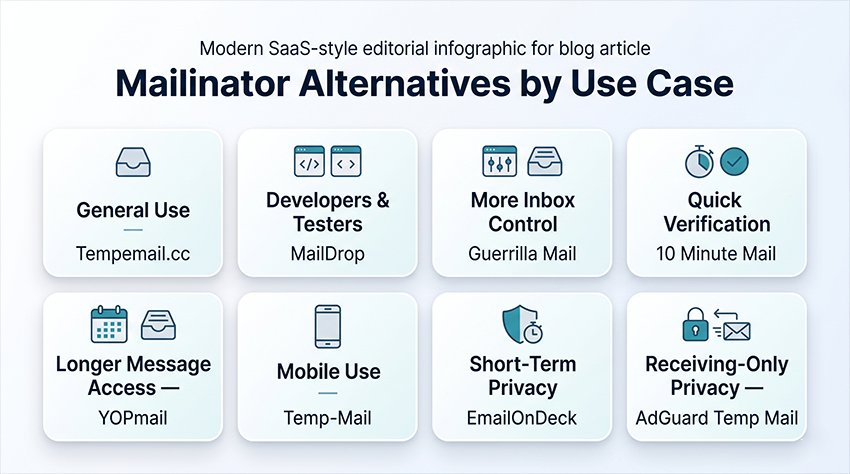
एक त्वरित वेरिफिकेशन कोड चाहिए? 10 Minute Mail.
अधिक सामान्य-उद्देश्य वाला इनबॉक्स चाहिए? Tempemail.cc.
संदेशों का उत्तर देना है? Guerrilla Mail.
चाहते हैं कि ईमेल एक सप्ताह तक बने रहें? YOPmail.
ईमेल फ्लो का परीक्षण करना है? MailDrop.
आप जो भी विकल्प चुनें, याद रखें कि अस्थायी ईमेल किस चीज में अच्छा है: त्वरित, कम जोखिम वाले साइनअप और टेस्टिंग। किसी भी ऐसी चीज़ के लिए जिसे आपको महीनों बाद रिकवर करने की आवश्यकता हो सकती है, उस ईमेल पते का उपयोग करें जिसे आप लंबे समय तक नियंत्रित करते हैं।