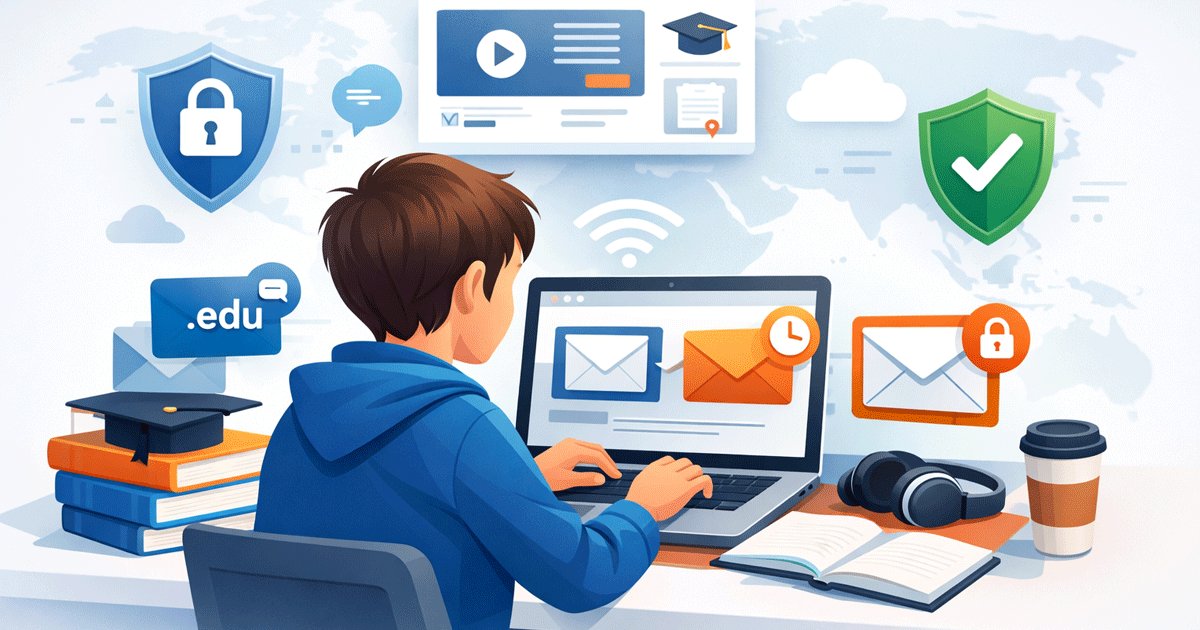
ইমেইল যাচাইকরণ অনেক শিক্ষা-সম্পর্কিত প্ল্যাটফর্মে একটি সাধারণ প্রয়োজনীয়তা হয়ে দাঁড়িয়েছে। অনলাইন লার্নিং টুল থেকে শুরু করে একাডেমিক কমিউনিটি পর্যন্ত, শিক্ষার্থীদের প্রায়শই কোনো কন্টেন্ট, ফিচার বা ফ্রি ট্রায়াল অ্যাক্সেস করার আগে একটি ইমেইল ঠিকানা প্রদান করতে বলা হয়। তাত্ত্বিকভাবে, এটি প্ল্যাটফর্মগুলোকে অপব্যবহার কমাতে এবং ব্যবহারকারীদের পরিচালনা করতে সাহায্য করে। বাস্তবে, এটি শিক্ষার্থীদের জন্য একটি সাধারণ উদ্বেগেরও জন্ম দেয়: তাদের প্রাথমিক ইমেইল প্রকাশ না করে বা দীর্ঘমেয়াদী স্প্যামের ঝুঁকি না নিয়ে কীভাবে অংশগ্রহণ করা যায়।
এখানেই 'edu temporary mail' বা শিক্ষা বিষয়ক অস্থায়ী মেইল শব্দটি সামনে আসে। এটি শুনতে যেমনই হোক না কেন, প্রায়শই এর ভুল ব্যাখ্যা করা হয়। বেশিরভাগ ক্ষেত্রে, এটি কোনো আসল .edu ইমেইল ঠিকানা পাওয়ার বিষয়কে বোঝায় না। বরং, এটি শিক্ষা-সম্পর্কিত পরিস্থিতিতে অস্থায়ী ইমেইল পরিষেবার ব্যবহারকে বোঝায়—যেমন স্বল্পমেয়াদী অ্যাক্সেস, স্টুডেন্ট টুল পরীক্ষা করা, অথবা এমন সব লার্নিং রিসোর্সের জন্য সাইন আপ করা যেখানে স্থায়ী একাডেমিক পরিচয়ের প্রয়োজন নেই।
একটি পরিচিত পরিস্থিতির কথা চিন্তা করুন। একজন শিক্ষার্থী একটি নতুন অনলাইন কোর্স দেখছেন, সিলেবাস বা প্রিভিউ ম্যাটেরিয়াল সম্পর্কে কৌতূহলী হয়ে। রেজিস্ট্রেশন দ্রুতই হয়ে যায়, কিন্তু কয়েকদিন পরেই ইনবক্সটি পড়াশোনার সাথে সম্পর্কহীন প্রচারমূলক মেসেজে ভরে যেতে শুরু করে। অনেক শিক্ষার্থীর জন্য, এই অভিজ্ঞতা অ্যাক্সেস এবং গোপনীয়তার মধ্যে টানাপোড়েনকে তুলে ধরে—বিশেষ করে যখন উদ্দেশ্য ছিল কেবল অস্থায়ী ব্যবহার।
এই পার্থক্যটি বোঝা গুরুত্বপূর্ণ। প্রতিটি শিক্ষা প্ল্যাটফর্মের জন্য .edu ইনবক্সের প্রয়োজন হয় না এবং প্রতিটি শিক্ষার্থীর মিথস্ক্রিয়ার জন্য দীর্ঘমেয়াদী ইমেইল প্রতিশ্রুতির প্রয়োজন নেই। সঠিকভাবে ব্যবহার করলে, temp mail নির্দিষ্ট, কম ঝুঁকিপূর্ণ প্রেক্ষাপটে student privacy-সচেতন শিক্ষার্থীদের জন্য একটি কার্যকর টুল হতে পারে, যার মধ্যে রয়েছে ম্যাসিভ ওপেন অনলাইন কোর্স (MOOCs), শিক্ষার্থীদের প্রোডাক্টিভিটি টুল এবং শিক্ষামূলক রিসোর্স প্রিভিউ।
এই নির্দেশিকাটি ব্যাখ্যা করবে যে edu temporary mail আসলে কী, শিক্ষাক্ষেত্রে কখন অস্থায়ী ইমেইল ব্যবহার করা যুক্তিযুক্ত এবং—ঠিক ততটাই গুরুত্বপূর্ণ—কখন এটি এড়িয়ে চলা উচিত। সুবিধা এবং সীমাবদ্ধতা উভয়ই বোঝার মাধ্যমে, শিক্ষার্থীরা সচেতন সিদ্ধান্ত নিতে পারে এবং আধুনিক শিক্ষামূলক পরিবেশে দায়িত্বশীলভাবে অস্থায়ী ইমেইল ব্যবহার করতে পারে।
Edu Temporary Mail কী এবং শিক্ষার্থীরা কেন এটি খোঁজে?
শিক্ষার্থীরা কেন edu temporary mail খোঁজে তা বোঝার জন্য, পরিভাষার পরিবর্তে তাদের দৃষ্টিভঙ্গি থেকে শুরু করাটা সহায়ক। বেশিরভাগ শিক্ষার্থী সক্রিয়ভাবে তাদের অফিসিয়াল একাডেমিক ইমেইল ঠিকানা প্রতিস্থাপনের চেষ্টা করছে না। বরং, তারা একটি অত্যন্ত বাস্তব সমস্যার সমাধান খুঁজছে: ব্যক্তিগত ইনবক্স সুরক্ষিত রেখে শিক্ষা-সম্পর্কিত প্ল্যাটফর্মে স্বল্পমেয়াদী অ্যাক্সেস পাওয়া।
বাস্তব ব্যবহারের ক্ষেত্রে, edu temporary mail একটি সংক্ষিপ্ত শব্দগুচ্ছ। এটি ইমেইলটি কোথায় ব্যবহৃত হচ্ছে—শিক্ষা-সম্পর্কিত পরিবেশে—তা প্রতিফলিত করে, এটি কী ধরনের ইমেইল ঠিকানা তা নয়। বেশিরভাগ ক্ষেত্রে, "edu temporary mail" বলতে শিক্ষা-সম্পর্কিত পরিস্থিতিতে ব্যবহৃত অস্থায়ী ইমেইলকে বোঝায়, কোনো আসল .edu ইনবক্সকে নয়। বাস্তবসম্মত প্রত্যাশা তৈরি করতে এবং দায়িত্বশীলভাবে টুলটি ব্যবহার করার জন্য এই পার্থক্যটি অপরিহার্য।
শিক্ষার্থীরা কেন Edu Temporary Mail খোঁজে
শিক্ষার্থীরা সাধারণত তিনটি কারণের যেকোনো একটির জন্য এই কিওয়ার্ডটি ব্যবহার করে:
- তাদের প্রাথমিক ইমেইল ঠিকানা সুরক্ষিত রাখা
শিক্ষা প্ল্যাটফর্ম, স্টুডেন্ট টুল এবং লার্নিং রিসোর্সগুলো প্রায়শই ফলো-আপ মেসেজ, নিউজলেটার বা প্রচারণার দিকে নিয়ে যায়। অনেক শিক্ষার্থী তাদের প্রধান ইনবক্সকে এমন পরিষেবার সাথে লিঙ্ক করতে পছন্দ করে না যা তারা হয়তো মাত্র একবার বা দুবার ব্যবহার করবে। সাম্প্রতিক বছরগুলোতে শিক্ষার্থীদের মধ্যে গোপনীয়তার উদ্বেগ ক্রমাগত বেড়েছে, বিশেষ করে অনলাইন লার্নিং এবং ডিজিটাল টুলগুলো আরও সাধারণ হয়ে ওঠায়। - এককালীন বা স্বল্পমেয়াদী যাচাইকরণের প্রয়োজনীয়তা
কিছু শিক্ষা-সম্পর্কিত প্ল্যাটফর্মে প্রাথমিক অ্যাক্সেসের জন্য কেবল ইমেইল যাচাইকরণের প্রয়োজন হয়—যেমন ম্যাটেরিয়াল প্রিভিউ করা, কোনো আলোচনা কক্ষে যোগ দেওয়া বা ফিচার পরীক্ষা করা। এই ক্ষেত্রে, দীর্ঘমেয়াদী ইমেইল প্রতিশ্রুতির প্রয়োজন নেই, যা অস্থায়ী ইমেইলকে একটি আকর্ষণীয় বিকল্প করে তোলে। - শিক্ষা পণ্য পরীক্ষা বা মূল্যায়ন করা
স্টাডি টুল থেকে শুরু করে লার্নিং অ্যাসিস্ট্যান্ট পর্যন্ত, শিক্ষার্থীরা প্রায়শই নতুন পণ্যগুলো ব্যবহারের সিদ্ধান্ত নেওয়ার আগে সেগুলো পরীক্ষা করে দেখে। অস্থায়ী ইমেইল এমন অ্যাকাউন্ট তৈরি না করেই এই অন্বেষণের সুযোগ দেয় যা পরে রক্ষণাবেক্ষণ করতে হবে।
এই অনুপ্রেরণাগুলো ব্যাখ্যা করে যে কেন edu temporary mail-এর পেছনের সার্চ ইনটেন্ট মূলত পরিস্থিতিগত, প্রাতিষ্ঠানিক নয়।
Edu Temporary Mail সমাধানের ধরন
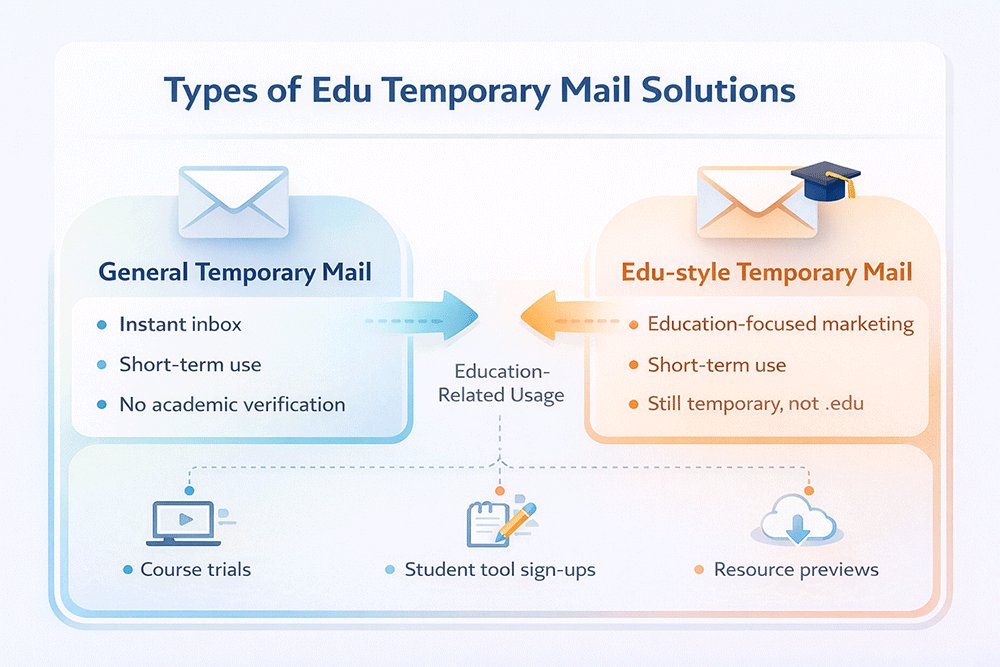
যদিও শব্দটি অনানুষ্ঠানিক, শিক্ষার্থীরা সাধারণত দুই ধরনের সমাধানের মুখোমুখি হয়:
- সাধারণ অস্থায়ী ইমেইল পরিষেবা
এগুলো স্বল্পমেয়াদী ব্যবহারের জন্য তাৎক্ষণিক ইনবক্স তৈরি করে এবং সাধারণত শিক্ষা-সম্পর্কিত সাইন-আপের জন্য ব্যবহৃত হয় যেখানে একাডেমিক পরিচয় যাচাইকরণের প্রয়োজন হয় না। - "Edu-style" বা শিক্ষা-বাজারজাত পরিষেবা
কিছু প্রদানকারী নিজেদের শিক্ষার্থীদের বা লার্নিং ব্যবহারের জন্য বাজারজাত করে, কিন্তু তবুও তারা আসল .edu ঠিকানা ইস্যু করার পরিবর্তে অস্থায়ী ইমেইল টুল হিসেবেই কাজ করে।
সমাধান বেছে নেওয়ার সময়, শিক্ষার্থীদের লেবেলের চেয়ে মানদণ্ডের দিকে বেশি মনোযোগ দেওয়া উচিত: একটি স্পষ্ট গোপনীয়তা নীতি, ন্যূনতম ডেটা সংরক্ষণ, নির্ভরযোগ্য মেসেজ ডেলিভারি এবং সীমাবদ্ধতা সম্পর্কে স্বচ্ছতা। কোনো পরিষেবার নামে "edu" আছে কি না তার চেয়ে এই মানদণ্ডগুলো অনেক বেশি গুরুত্বপূর্ণ।
Edu temporary mail আসলে কী প্রতিনিধিত্ব করে—এবং শিক্ষার্থীরা কেন এটি খোঁজে—তা বোঝার মাধ্যমে, পাঠকরা বিভ্রান্তি কাটিয়ে উঠতে পারে এবং অস্থায়ী ইমেইল কখন তাদের শিক্ষা-সম্পর্কিত প্রয়োজনের সাথে সত্যিই খাপ খায় তা মূল্যায়ন করা শুরু করতে পারে। এই স্বচ্ছতা অস্থায়ী ইমেইল কোথায় দরকারী এবং কোথায় এটি সম্পূর্ণভাবে এড়িয়ে চলা উচিত, তা নির্ধারণের ভিত্তি স্থাপন করে।
সাধারণ শিক্ষামূলক পরিস্থিতি যেখানে ইমেইল যাচাইকরণ প্রয়োজন
শিক্ষার্থীরা যখন বুঝতে পারে যে edu temporary mail আসলে কী বোঝায়, তখন পরবর্তী প্রশ্নটি হয় ব্যবহারিক: বাস্তব শিক্ষা-সম্পর্কিত পরিস্থিতিতে ইমেইল যাচাইকরণ কোথায় দেখা যায়?
আধুনিক ডিজিটাল শিক্ষায়, যাচাইকরণ আর কেবল আনুষ্ঠানিক স্কুল ব্যবস্থার মধ্যে সীমাবদ্ধ নেই। এটি এখন অনলাইন লার্নিং, স্টুডেন্ট টুল, একাডেমিক কমিউনিটি এবং এমনকি ক্যাম্পাস-সম্পর্কিত পরিষেবাগুলোতেও বিস্তৃত।
নিচে এমন কিছু সাধারণ পরিস্থিতি দেওয়া হলো যেখানে শিক্ষার্থীদের একটি ইমেইল ঠিকানা যাচাই করতে বলা হয়—এবং যেখানে কম ঝুঁকিপূর্ণ প্রেক্ষাপটে অস্থায়ী ইমেইল বিবেচনা করা যেতে পারে।
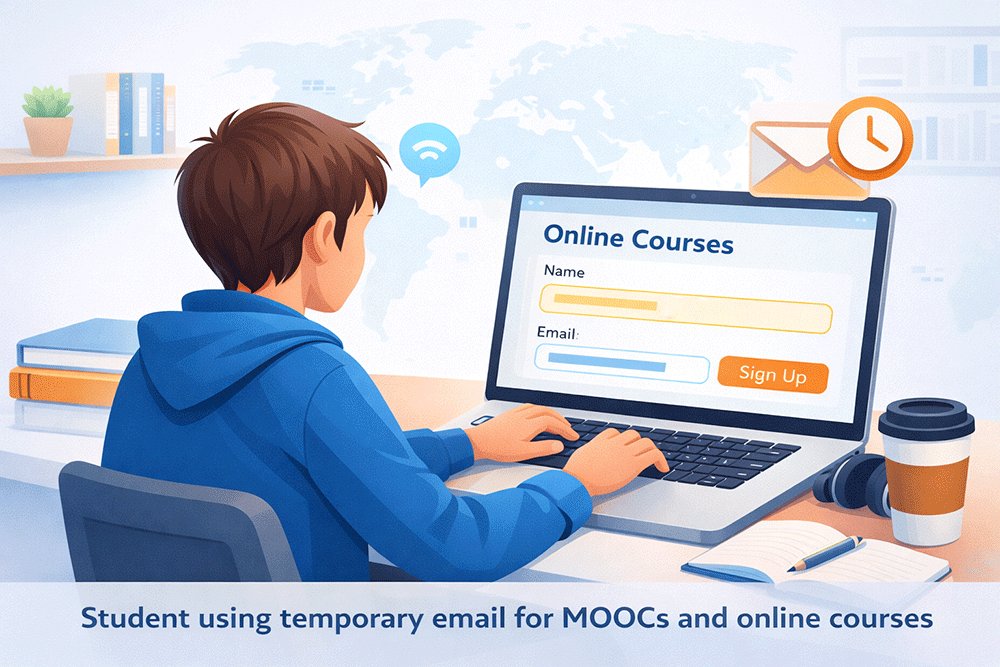
অনলাইন কোর্স এবং লার্নিং প্ল্যাটফর্মের জন্য অস্থায়ী ইমেইল
অনলাইন লার্নিং পরিবেশ হলো শিক্ষা ইমেইল যাচাইকরণের অন্যতম ঘন ঘন উৎস। অনেক প্ল্যাটফর্মে কন্টেন্ট বা ফিচারের অ্যাক্সেস দেওয়ার আগে একটি ইমেইল ঠিকানার প্রয়োজন হয়।
সাধারণ উদাহরণগুলোর মধ্যে রয়েছে:
- ম্যাসিভ ওপেন অনলাইন কোর্স (MOOCs)
- ফ্রি কোর্স প্রিভিউ বা ট্রায়াল লেসন
- কোর্সের সাথে ইন্টিগ্রেটেড লার্নিং টুলের জন্য সাইন-আপ
এই পরিস্থিতিতে শিক্ষার্থীদের জন্য সাধারণ সুবিধাগুলো হলো:
- দীর্ঘমেয়াদী প্রতিশ্রুতি ছাড়াই কোর্সের ম্যাটেরিয়াল দ্রুত অ্যাক্সেস করা
- প্রচারমূলক ফলো-আপ থেকে ইনবক্সের বিশৃঙ্খলা কমানো
- একটি কোর্স শেখার প্রয়োজনীয়তা পূরণ করে কি না তা দ্রুত মূল্যায়ন করা
এই স্বল্পমেয়াদী লার্নিং পরিস্থিতিতে, প্রাথমিক অ্যাক্সেসের জন্য edu temporary mail একটি ব্যবহারিক এবং গোপনীয়তা-সচেতন বিকল্প হিসেবে কাজ করতে পারে।
স্টুডেন্ট টুল এবং প্রোডাক্টিভিটি অ্যাপের জন্য অস্থায়ী ইমেইল
কোর্স ছাড়াও, শিক্ষার্থীরা পড়াশোনা, সহযোগিতা এবং সংগঠনের জন্য ডিজিটাল টুলের ওপর ক্রমবর্ধমানভাবে নির্ভর করে। এই টুলগুলোর অনেকগুলোই ব্যবহারের আগে ইমেইল যাচাইকরণের প্রয়োজন হয়।
সাধারণ বিভাগগুলোর মধ্যে রয়েছে:
- নোট-টেকিং এবং অর্গানাইজেশন টুল
- এআই-চালিত স্টাডি অ্যাসিস্ট্যান্ট
- গ্রুপ কোলাবরেশন এবং প্রজেক্ট ম্যানেজমেন্ট প্ল্যাটফর্ম
শিক্ষার্থীরা কেন তাদের প্রাথমিক ইমেইল ব্যবহার করতে দ্বিধা করে:
- টুলগুলো গ্রহণের আগে প্রায়শই সংক্ষেপে পরীক্ষা করা হয়
- কিছু পরিষেবা ঘন ঘন আপডেট বা মার্কেটিং ইমেইল পাঠায়
- শিক্ষার্থীরা অল্প সময়ের মধ্যে একাধিক টুল নিয়ে পরীক্ষা-নিরীক্ষা করতে পারে
পরীক্ষা এবং মূল্যায়নের উদ্দেশ্যে, শিক্ষা-সম্পর্কিত টুল সাইন-আপে একটি নিরাপদ বিকল্প হিসেবে edu temporary mail ব্যবহার করা যেতে পারে।
একাডেমিক কমিউনিটি এবং শিক্ষামূলক রিসোর্সের জন্য অস্থায়ী ইমেইল
শিক্ষা ইমেইল যাচাইকরণ একাডেমিক স্পেসেও সাধারণ, যা আলোচনা, জ্ঞান ভাগাভাগি বা লার্নিং ম্যাটেরিয়াল অ্যাক্সেসের ওপর দৃষ্টি নিবদ্ধ করে।
সাধারণ পরিস্থিতির মধ্যে রয়েছে:
- স্টুডেন্ট ফোরাম বা আলোচনার কমিউনিটি
- গবেষণার প্রিভিউ এবং আর্লি-অ্যাক্সেস একাডেমিক কন্টেন্ট
- ডাউনলোডযোগ্য স্টাডি গাইড, পেপার বা লার্নিং রিসোর্স
এই ক্ষেত্রে, ইমেইল যাচাইকরণ প্রায়শই ব্যবহৃত হয়:
- স্বয়ংক্রিয় অপব্যবহার সীমিত করতে
- শেয়ার করা ম্যাটেরিয়ালের অ্যাক্সেস ট্র্যাক করতে
- স্বল্পমেয়াদী সদস্যপদ পরিচালনা করতে
যখন অ্যাক্সেস পরিচয়-ভিত্তিক না হয়ে তথ্যমূলক হয়, তখন edu temporary mail শিক্ষার্থীদের স্থায়ী ইনবক্সের সাথে লিঙ্ক না করেই রিসোর্সগুলো অন্বেষণ করতে সাহায্য করতে পারে।
ক্যাম্পাস এবং গবেষণা কার্যক্রমের জন্য অস্থায়ী ইমেইল
কিছু ক্যাম্পাস-সংলগ্ন বা গবেষণা-সম্পর্কিত পরিষেবাও ইমেইল যাচাইকরণের ওপর নির্ভর করে, বিশেষ করে সীমিত বা ট্রায়াল অ্যাক্সেসের জন্য।
উদাহরণগুলোর মধ্যে রয়েছে:
- ডিজিটাল লাইব্রেরি বা আর্কাইভে অস্থায়ী অ্যাক্সেস
- স্বল্পমেয়াদী প্রকল্পের জন্য একাডেমিক কোলাবরেশন টুল
- গবেষণায় অংশগ্রহণের সাইন-আপ বা জরিপ
এই কার্যক্রমগুলোর জন্য সবসময় একটি যাচাইকৃত .edu পরিচয়ের প্রয়োজন নাও হতে পারে, তবে অ্যাক্সেস বা যোগাযোগ পরিচালনার জন্য একটি ইমেইল ঠিকানা চাওয়া হয়। এই ধরনের সীমিত ব্যবহারের ক্ষেত্রে, edu temporary mail একটি স্বল্পমেয়াদী সমাধান হিসেবে বিবেচনা করা যেতে পারে, যদি কোনো একাডেমিক রেকর্ড বা দীর্ঘমেয়াদী অ্যাক্সেস জড়িত না থাকে।
এই সমস্ত পরিস্থিতিতে, প্যাটার্নটি সামঞ্জস্যপূর্ণ: শিক্ষাক্ষেত্রে ইমেইল যাচাইকরণ ব্যাপকভাবে ব্যবহৃত হয়, কিন্তু প্রতিটি পরিস্থিতিতে স্থায়ী বা প্রাতিষ্ঠানিক ইমেইল ঠিকানার প্রয়োজন হয় না। যাচাইকরণ কোথায় দেখা যায় তা বোঝা শিক্ষার্থীদের মূল্যায়ন করতে সাহায্য করে যে অস্থায়ী ইমেইল প্রেক্ষাপটের সাথে খাপ খায় কি না—অথবা আরও স্থিতিশীল সমাধানের প্রয়োজন আছে কি না।
পরবর্তী বিভাগে, আমরা আরও ঘনিষ্ঠভাবে দেখব যে কখন অস্থায়ী মেইল শিক্ষার্থীদের জন্য একটি স্মার্ট পছন্দ এবং কোন শর্তগুলো শিক্ষা-সম্পর্কিত পরিবেশে এর ব্যবহারকে উপযুক্ত করে তোলে।
কখন অস্থায়ী মেইল শিক্ষার্থীদের জন্য একটি স্মার্ট পছন্দ ✅
প্রতিটি শিক্ষা-সম্পর্কিত ইমেইল যাচাইকরণের গুরুত্ব সমান নয়। যাচাইকরণ কোথায় দেখা যায় তা বোঝার পর, পরবর্তী ধাপ হলো কখন অস্থায়ী মেইল ব্যবহার করা সত্যিই যুক্তিযুক্ত—এবং কখন নয় তা জানা।
সাধারণভাবে, অস্থায়ী ইমেইল শিক্ষার্থীদের জন্য একটি উপযুক্ত পছন্দ হতে পারে যখন...এই পরিস্থিতিটি নিম্নলিখিত শর্তগুলো পূরণ করে:
- চলমান যোগাযোগের পরিবর্তে এককালীন অ্যাক্সেস
- স্বল্পমেয়াদী পরীক্ষা বা মূল্যায়ন
- অ-পরিচয়ভিত্তিক ব্যবহার, যেখানে কোনো একাডেমিক রেকর্ড জড়িত থাকে না
- অ্যাক্সেস হারিয়ে গেলে কোনো একাডেমিক বা আর্থিক ক্ষতি হয় না
যখন এই মানদণ্ডগুলো পূরণ হয়, তখন টেম্পোরারি ইমেইল একটি ঝুঁকিপূর্ণ শর্টকাটের পরিবর্তে একটি কার্যকর হাতিয়ার হয়ে ওঠে।
শিক্ষার্থীদের জন্য সাধারণ পরিস্থিতি যেখানে টেম্পোরারি মেইল কার্যকর
শিক্ষার্থীরা সাধারণত নিম্নলিখিত পরিস্থিতিতে সফলভাবে টেম্পোরারি ইমেইল ব্যবহার করে:
- কোর্সের ট্রায়াল এবং প্রিভিউ
সম্পূর্ণ কোর্সে ভর্তি হওয়ার আগে সিলেবাস, নমুনা পাঠ বা প্রাথমিক বিষয়বস্তু যাচাই করা। - শিক্ষামূলক রিসোর্স ডাউনলোড
স্টাডি গাইড, হোয়াইটপেপার বা শেখার উপকরণ অ্যাক্সেস করা, যার জন্য ইমেইল যাচাইকরণের প্রয়োজন হয় কিন্তু দীর্ঘমেয়াদী অ্যাকাউন্টের প্রয়োজন নেই। - স্টুডেন্ট টুল টেস্টিং
নোট-টেকিং অ্যাপ, এআই স্টাডি অ্যাসিস্ট্যান্ট বা প্রোডাক্টিভিটি টুলগুলো ব্যবহারের আগে সেগুলোর উপযোগিতা যাচাই করা। - শিক্ষা-সম্পর্কিত ইভেন্ট রেজিস্ট্রেশন
ওয়েবিনার, কর্মশালা বা স্বল্পমেয়াদী ইভেন্টে সাইন আপ করা, যার জন্য চলমান অংশগ্রহণের প্রয়োজন নেই।
এই ক্ষেত্রেগুলোতে, স্টুডেন্ট টেম্পমেইল কোর্সের ট্রায়াল বা অনুরূপ স্বল্পমেয়াদী অ্যাক্সেস আপনার মূল ইনবক্স পরিষ্কার রেখে সময় বাঁচাতে সাহায্য করতে পারে।
শিক্ষার্থীদের জন্য এই পদ্ধতিটি কেন স্মার্ট
সঠিক প্রেক্ষাপটে ব্যবহার করা হলে, টেম্পোরারি মেইল বেশ কিছু স্পষ্ট সুবিধা প্রদান করে:
✅ উন্নত গোপনীয়তা নিয়ন্ত্রণ — আপনার মূল ইমেইল আলাদা থাকে
✅ দীর্ঘমেয়াদী ঝুঁকি কম — একটি ডিসপোজেবল ঠিকানার ওপর কোনো নির্ভরশীলতা নেই
✅ দ্রুত পরীক্ষা-নিরীক্ষা — অ্যাকাউন্ট রক্ষণাবেক্ষণ ছাড়াই দ্রুত অ্যাক্সেস
✅ ইনবক্সে কম ঝামেলা — অব্যবহৃত পরিষেবা থেকে আসা ফলো-আপ ইমেইল কমে যায়
মূল বিষয় হলো সচেতন ব্যবহার: টেম্পোরারি ইমেইল তখনই সবচেয়ে ভালো কাজ করে যখন লক্ষ্য হয় অন্বেষণ, ধারাবাহিকতা নয়।
দায়িত্বশীলভাবে টেম্পোরারি মেইল ব্যবহারের উপায় (দ্রুত নির্দেশিকা)
নিরাপদ থাকতে শিক্ষার্থীদের একটি সহজ প্রক্রিয়া অনুসরণ করা উচিত:
- একটি নির্ভরযোগ্য প্রদানকারী নির্বাচন করুন
স্পষ্ট গোপনীয়তা নীতি, ন্যূনতম ডেটা সংরক্ষণ এবং স্থিতিশীল ডেলিভারি আছে এমন পরিষেবা খুঁজুন। - একটি নির্দিষ্ট উদ্দেশ্যে ঠিকানা তৈরি করুন
একাধিক প্ল্যাটফর্মে একই টেম্পোরারি ইনবক্স ব্যবহার করা এড়িয়ে চলুন। - দ্রুত যাচাইকরণ সম্পন্ন করুন
অধিকাংশ শিক্ষা প্ল্যাটফর্ম তাৎক্ষণিকভাবে যাচাইকরণ ইমেইল পাঠায়। - ব্যক্তিগত বা একাডেমিক ডেটা লিঙ্ক করবেন না
ব্যবহার শুধুমাত্র অ-গুরুত্বপূর্ণ অ্যাক্সেসের মধ্যে সীমাবদ্ধ রাখুন।
উদাহরণস্বরূপ, যে পরিষেবাগুলো কোনো রেজিস্ট্রেশন ছাড়াই তাৎক্ষণিক ইনবক্স এবং দ্রুত ডেলিভারি প্রদান করে, সেগুলো স্থায়ী অ্যাকাউন্ট তৈরি না করেই দ্রুত যাচাইকরণ বার্তা পাওয়ার জন্য সহায়ক হতে পারে। লক্ষ্য হলো কোনো প্রতিশ্রুতি ছাড়াই সুবিধা গ্রহণ করা।
এইভাবে ব্যবহার করলে, টেম্পোরারি মেইল আধুনিক শিক্ষা প্ল্যাটফর্ম ব্যবহারকারী শিক্ষার্থীদের জন্য একটি স্মার্ট এবং কম ঝুঁকিপূর্ণ বিকল্প হয়ে ওঠে। পরবর্তী অংশে, আমরা এর বিপরীত দিকটি দেখব—কখন এডু টেম্পোরারি মেইল এড়িয়ে চলা উচিত এবং কেন এই সীমাবদ্ধতাগুলো জানা আরও গুরুত্বপূর্ণ।
শিক্ষাক্ষেত্রে কখন এডু টেম্পোরারি মেইল এড়িয়ে চলবেন: প্রধান ঝুঁকিগুলো 🚫
টেম্পোরারি মেইল কখন কাজ করে তা বোঝা গুরুত্বপূর্ণ—তবে কখন এটি কাজ করে না তা জানা আরও বেশি জরুরি।
যদিও স্বল্পমেয়াদী, কম ঝুঁকিপূর্ণ শিক্ষামূলক পরিস্থিতিতে এডু টেম্পোরারি মেইল কার্যকর হতে পারে, তবে এমন কিছু পরিস্থিতি আছে যেখানে টেম্পোরারি ইমেইল ব্যবহার করা অপ্রয়োজনীয় ঝুঁকি তৈরি করে। এই ক্ষেত্রেগুলোতে, সুবিধা কখনোই স্থায়িত্ব, জবাবদিহিতা বা দীর্ঘমেয়াদী অ্যাক্সেসের চেয়ে বেশি গুরুত্বপূর্ণ হওয়া উচিত নয়।
সাধারণ নিয়ম হিসেবে:
যদি কোনো ইমেইল ঠিকানা আপনার একাডেমিক পরিচয় বা দীর্ঘমেয়াদী অ্যাক্সেসের সাথে যুক্ত থাকে, তবে টেম্পোরারি মেইল সঠিক হাতিয়ার নয়।
নিচে সবচেয়ে গুরুত্বপূর্ণ পরিস্থিতিগুলো দেওয়া হলো যেখানে শিক্ষার্থীদের শিক্ষা-সম্পর্কিত পরিবেশে টেম্পোরারি ইমেইল ব্যবহার করা এড়িয়ে চলা উচিত।
১. অফিসিয়াল স্কুল এবং প্রাতিষ্ঠানিক অ্যাকাউন্ট
অফিসিয়াল স্কুল সিস্টেম রেজিস্ট্রেশন বা পরিচালনার জন্য কখনোই টেম্পোরারি ইমেইল ব্যবহার করা উচিত নয়, যার মধ্যে রয়েছে:
- বিশ্ববিদ্যালয় বা কলেজের পোর্টাল
- স্টুডেন্ট ইনফরমেশন সিস্টেম
- এনরোলমেন্টের সাথে যুক্ত লার্নিং ম্যানেজমেন্ট সিস্টেম
এই অ্যাকাউন্টগুলো প্রায়শই একাধিক পরিষেবার গেটওয়ে হিসেবে কাজ করে। ইমেইল ঠিকানার অ্যাক্সেস হারিয়ে ফেলার অর্থ হতে পারে অ্যাকাউন্টের অ্যাক্সেসও হারিয়ে ফেলা, যার কোনো নির্ভরযোগ্য পুনরুদ্ধার বিকল্প নেই।
উন্নত বিকল্প:
আপনার অফিসিয়াল স্কুল ইমেইল বা একটি দীর্ঘমেয়াদী সেকেন্ডারি ইনবক্স ব্যবহার করুন যা আপনি সম্পূর্ণ নিয়ন্ত্রণ করেন।
২. গ্রেড, ক্রেডিট এবং একাডেমিক সার্টিফিকেট
একাডেমিক ফলাফলের সাথে সংযুক্ত যেকোনো প্ল্যাটফর্ম বা পরিষেবার জন্য একটি স্থিতিশীল এবং পুনরুদ্ধারযোগ্য ইমেইল ঠিকানা প্রয়োজন, যেমন:
- কোর্স সম্পন্ন করার রেকর্ড
- একাডেমিক ক্রেডিট বা ট্রান্সক্রিপ্ট
- মূল্যায়নের পর ইস্যুকৃত সার্টিফিকেট
টেম্পোরারি ইমেইল স্থায়িত্বের জন্য তৈরি করা হয়নি। যদি অ্যাক্সেসের মেয়াদ শেষ হয়ে যায়, তবে যাচাইকরণ বার্তা, আপডেট বা পুনরুদ্ধার ইমেইল স্থায়ীভাবে হারিয়ে যেতে পারে।
সম্ভাব্য পরিণতি:
- কোর্স সম্পন্ন করার প্রমাণের ক্ষতি
- সার্টিফিকেট পুনরুদ্ধার করতে অক্ষমতা
- একাডেমিক যাচাইকরণে জটিলতা
৩. টিউশন, আর্থিক সহায়তা এবং পেমেন্ট-সম্পর্কিত পরিষেবা
শিক্ষা-সম্পর্কিত আর্থিক সিস্টেমগুলো নিরাপত্তা এবং নথিপত্রের জন্য ইমেইল যোগাযোগের ওপর ব্যাপকভাবে নির্ভর করে।
এর মধ্যে রয়েছে:
- টিউশন বিলিং সিস্টেম
- স্কলারশিপ বা আর্থিক সহায়তার পোর্টাল
- পেমেন্ট নিশ্চিতকরণ বা অ্যাকাউন্টের নোটিশ
এই প্রেক্ষাপটগুলোতে এডু টেম্পোরারি মেইল ব্যবহার করলে যোগাযোগ মিস হওয়ার বা অ্যাকাউন্ট অ্যাক্সেসের সমস্যা হওয়ার ঝুঁকি বেড়ে যায়, যার বাস্তব আর্থিক পরিণতি হতে পারে।
উন্নত বিকল্প:
যেকোনো শিক্ষা-সম্পর্কিত আর্থিক কার্যক্রমের জন্য সর্বদা একটি স্থায়ী, নিরাপদ ইমেইল ঠিকানা ব্যবহার করুন।
৪. দীর্ঘমেয়াদী এনরোলমেন্ট বা চলমান প্রোগ্রাম
টেম্পোরারি ইমেইল এমন পরিস্থিতির জন্য অনুপযুক্ত যেখানে চলমান অংশগ্রহণের প্রয়োজন হয়, যেমন:
- বহু-সপ্তাহ বা বহু-মাসব্যাপী কোর্স
- ডিগ্রি প্রোগ্রাম বা সার্টিফিকেশন
- দীর্ঘ সময়সীমার গবেষণা প্রকল্প
দীর্ঘমেয়াদী এনরোলমেন্ট ধারাবাহিকতা ধরে নেয়। একটি ডিসপোজেবল ইনবক্স সেই প্রত্যাশার বিপরীতে কাজ করে এবং পরবর্তীতে যাচাইকরণ বা যোগাযোগের প্রয়োজন হলে অ্যাকাউন্টে বিঘ্ন ঘটাতে পারে।
কেন এই সীমাবদ্ধতাগুলো গুরুত্বপূর্ণ
শিক্ষা প্ল্যাটফর্মগুলো বিশ্বাস, ধারাবাহিকতা এবং জবাবদিহিতার ওপর ভিত্তি করে তৈরি। এর উদ্দেশ্যের বাইরে টেম্পোরারি ইমেইল ব্যবহার করলে নিম্নলিখিত সমস্যা হতে পারে:
- অ্যাকাউন্ট অ্যাক্সেসের সমস্যা
- ডেটা হারানো বা যোগাযোগ মিস হওয়া
- কিছু ক্ষেত্রে, অ্যাকাউন্টের ওপর বিধিনিষেধ বা সাময়িক স্থগিতাদেশ
- এই ঝুঁকিগুলো শিক্ষার্থীদের অপব্যবহারের কারণে নয়, বরং ভুল পরিস্থিতিতে ভুল হাতিয়ার ব্যবহারের কারণে ঘটে।
স্বল্পমেয়াদী অ্যাক্সেসকে দীর্ঘমেয়াদী একাডেমিক পরিচয় থেকে স্পষ্টভাবে আলাদা করার মাধ্যমে, শিক্ষার্থীরা তাদের শিক্ষা বা গোপনীয়তার সাথে আপস না করেই দায়িত্বশীলভাবে টেম্পোরারি মেইল ব্যবহার করতে পারে।
এই সীমানাগুলো মাথায় রেখে, পরবর্তী ধাপ হলো টেম্পোরারি মেইল কীভাবে অফিসিয়াল একাডেমিক ইমেইল ঠিকানার সাথে তুলনা করা যায় এবং কেন এই দুটি একে অপরের বিকল্প নয়, বরং ভিন্ন ভিন্ন উদ্দেশ্যে ব্যবহৃত হাতিয়ার তা বোঝা।
এডু টেম্পোরারি মেইল বনাম .Edu ইমেইল ঠিকানা: শিক্ষার্থীদের জন্য তুলনা
.edu ইমেইল ঠিকানা এবং এডু টেম্পোরারি মেইলের মধ্যে পার্থক্য বোঝা শিক্ষা-সম্পর্কিত প্ল্যাটফর্ম ব্যবহারকারী শিক্ষার্থীদের জন্য অত্যন্ত গুরুত্বপূর্ণ। যদিও উভয়ই একাডেমিক প্রেক্ষাপটে ইমেইল জড়িত, তারা খুব ভিন্ন উদ্দেশ্যে কাজ করে।
| দিক | .Edu ইমেইল | এডু টেম্পোরারি মেইল | শিক্ষা সামঞ্জস্য | খরচ |
|---|---|---|---|---|
| উদ্দেশ্য | অফিসিয়াল পরিচয় | স্বল্পমেয়াদী অ্যাক্সেস | উচ্চ | স্কুল-প্রদত্ত / বিনামূল্যে |
| সময়কাল | দীর্ঘমেয়াদী | অস্থায়ী | মাঝারি | বিনামূল্যে / কম খরচ |
| গোপনীয়তা | সীমিত | উচ্চ | মাঝারি | বিনামূল্যে / ন্যূনতম ডেটা সংগ্রহ |
| হারানোর ঝুঁকি | উচ্চ | কম | মাঝারি | বিনামূল্যে / কম রক্ষণাবেক্ষণ |
| ট্রায়ালের জন্য উপযুক্ত | ❌ | ✅ | মাঝারি | বিনামূল্যে |
মূল বিষয়গুলো
- ভিন্ন ব্যবহারের ক্ষেত্র
.Edu ইমেইলঅফিসিয়াল একাডেমিক যোগাযোগ এবং স্থায়ী অ্যাক্সেসের জন্য উদ্দিষ্ট।- এডু টেম্পোরারি মেইল শিক্ষা-সম্পর্কিত পরিস্থিতিতে স্বল্পমেয়াদী বা এককালীন ব্যবহারের জন্য ডিজাইন করা হয়েছে, যেমন কোর্সের ট্রায়াল, স্টুডেন্ট টুল টেস্টিং, বা রিসোর্স ডাউনলোড।
- পরিপূরক, বিকল্প নয়
- টেম্পোরারি ইমেইল অফিসিয়াল একাডেমিক ইমেইলের প্রতিস্থাপন নয়।
- শিক্ষার্থীরা গোপনীয়তা রক্ষা করতে বা নতুন প্ল্যাটফর্ম পরীক্ষা করতে টেম্পোরারি মেইল ব্যবহার করতে পারে, পাশাপাশি গুরুত্বপূর্ণ একাডেমিক কাজের জন্য তাদের
.eduইমেইল ধরে রাখতে পারে।
- খরচ এবং অ্যাক্সেসযোগ্যতার সুবিধা
- টেম্পোরারি ইমেইল পরিষেবাগুলো প্রায়শই বিনামূল্যে, তাৎক্ষণিকভাবে উপলব্ধ এবং কোনো রেজিস্ট্রেশনের প্রয়োজন হয় না।
- অফিসিয়াল
.eduইমেইলগুলো প্রতিষ্ঠান দ্বারা প্রদান করা হয় এবং এনরোলমেন্টের সাথে যুক্ত থাকে, যা শুধুমাত্র এনরোল করা শিক্ষার্থীদের জন্য অ্যাক্সেস সীমাবদ্ধ করে।
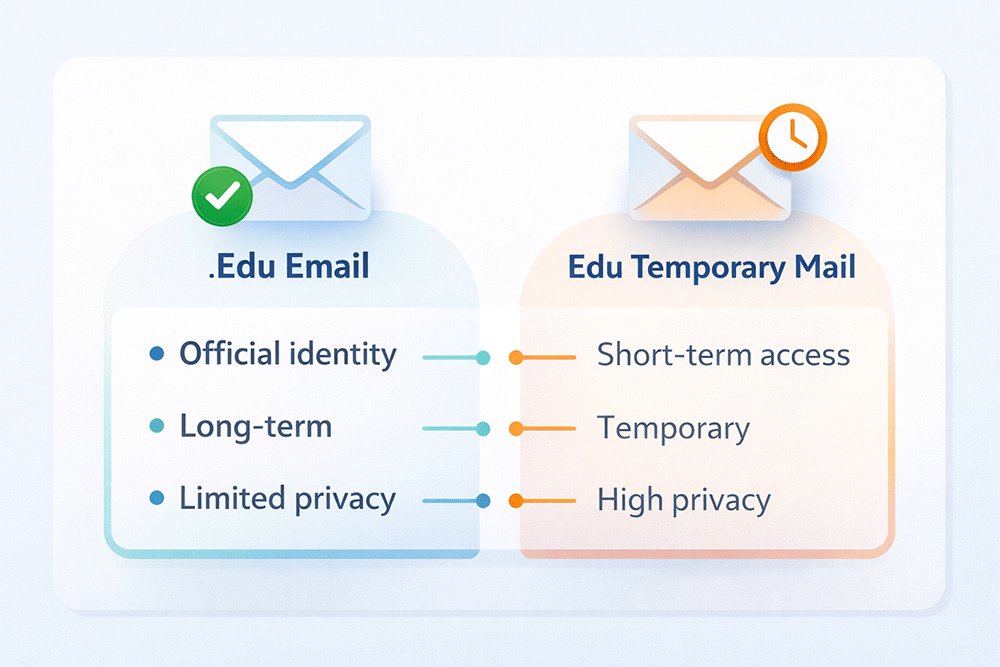
এই পার্থক্যগুলো বোঝার মাধ্যমে, শিক্ষার্থীরা কখন টেম্পোরারি ইমেইল ব্যবহার করবে এবং কখন তাদের অফিসিয়াল একাডেমিক অ্যাকাউন্টের ওপর নির্ভর করবে সে বিষয়ে সচেতন সিদ্ধান্ত নিতে পারে। এই স্বচ্ছতা সুবিধা, গোপনীয়তা এবং দায়িত্বের মধ্যে ভারসাম্য বজায় রাখতে সাহায্য করে—এটি নিশ্চিত করে যে দীর্ঘমেয়াদী একাডেমিক অ্যাক্সেসের সাথে আপস না করেই টেম্পোরারি ইমেইল যথাযথভাবে প্রয়োগ করা হচ্ছে।
শিক্ষামূলক পরিস্থিতিতে কীভাবে নিরাপদে টেম্পোরারি মেইল ব্যবহার করবেন
শিক্ষার্থীরা যখন বুঝতে পারে যে কখন টেম্পোরারি ইমেইল উপযুক্ত, তখন পরবর্তী ধাপ হলো এটি দায়িত্বশীলভাবে ব্যবহার করা। সঠিক ব্যবহার একাডেমিক অ্যাকাউন্ট বা ব্যক্তিগত ডেটার ঝুঁকি কমিয়ে গোপনীয়তা রক্ষা নিশ্চিত করে।
নিরাপদ ব্যবহারের জন্য ধাপে ধাপে নির্দেশিকা
- একটি নির্ভরযোগ্য টেম্পোরারি ইমেইল প্রদানকারী নির্বাচন করুন
- স্পষ্ট গোপনীয়তা নীতি, ন্যূনতম ডেটা সংরক্ষণ এবং দ্রুত ডেলিভারি আছে এমন পরিষেবা খুঁজুন।
- উদাহরণস্বরূপ, তাৎক্ষণিক ইনবক্স পরিষেবাগুলো যা রেজিস্ট্রেশনের প্রয়োজন হয় না এবং এককালীন যাচাইকরণ সমর্থন করে।
- ✅ টিপ: শিক্ষা-সম্পর্কিত প্ল্যাটফর্মে সাইন আপ করার সময় অতিরিক্ত গোপনীয়তার জন্য ভিপিএন (VPN) ব্যবহার করুন।
- একটি নির্দিষ্ট উদ্দেশ্যে একটি টেম্পোরারি ঠিকানা তৈরি করুন
- একটি কোর্সের ট্রায়াল, টুল টেস্ট বা ইভেন্ট রেজিস্ট্রেশনের জন্য বিশেষভাবে একটি নতুন ইমেইল ঠিকানা তৈরি করুন।
- একাধিক প্ল্যাটফর্মে একই ঠিকানা পুনরায় ব্যবহার করা এড়িয়ে চলুন, যা বেনামী বা অ্যানোনিমিটি কমাতে পারে।
- এটি শুধুমাত্র অ-গুরুত্বপূর্ণ পরিস্থিতিতে প্রয়োগ করুন
- কোর্সের প্রিভিউ, স্টুডেন্ট টুল টেস্টিং, রিসোর্স ডাউনলোড বা স্বল্পমেয়াদী ইভেন্ট সাইন-আপের জন্য টেম্পোরারি ইমেইল ব্যবহার করুন।
- গ্রেড, আর্থিক সহায়তা বা অফিসিয়াল স্কুল সিস্টেমের সাথে যুক্ত অ্যাকাউন্টের জন্য এটি কখনোই ব্যবহার করবেন না।
- কাজ শেষ হলে মনিটর করুন এবং মুছে ফেলুন
- যাচাইকরণ ইমেইল পেতে এবং রেজিস্ট্রেশন সম্পন্ন করতে ইনবক্স চেক করুন।
- যখন আর অ্যাক্সেসের প্রয়োজন হবে না, তখন ভবিষ্যতের ঝুঁকি এড়াতে টেম্পোরারি ইমেইলটি মুছে ফেলুন বা বাতিল করুন।
এড়িয়ে চলার মতো সাধারণ ভুল
- ব্যক্তিগত বা একাডেমিক অ্যাকাউন্টের সাথে টেম্পোরারি ইমেইল লিঙ্ক করা
- আর্থিক বা পরিচয়-সম্পর্কিত কাজের জন্য এটি ব্যবহার করাগুরুত্বপূর্ণ শিক্ষামূলক প্ল্যাটফর্ম
- একাধিক পরিষেবার জন্য একই টেম্পোরারি ইনবক্স পুনরায় ব্যবহার করা
- প্ল্যাটফর্মের ইমেল নীতি উপেক্ষা করা, যা টেম্পোরারি ঠিকানা ব্লক করতে পারে
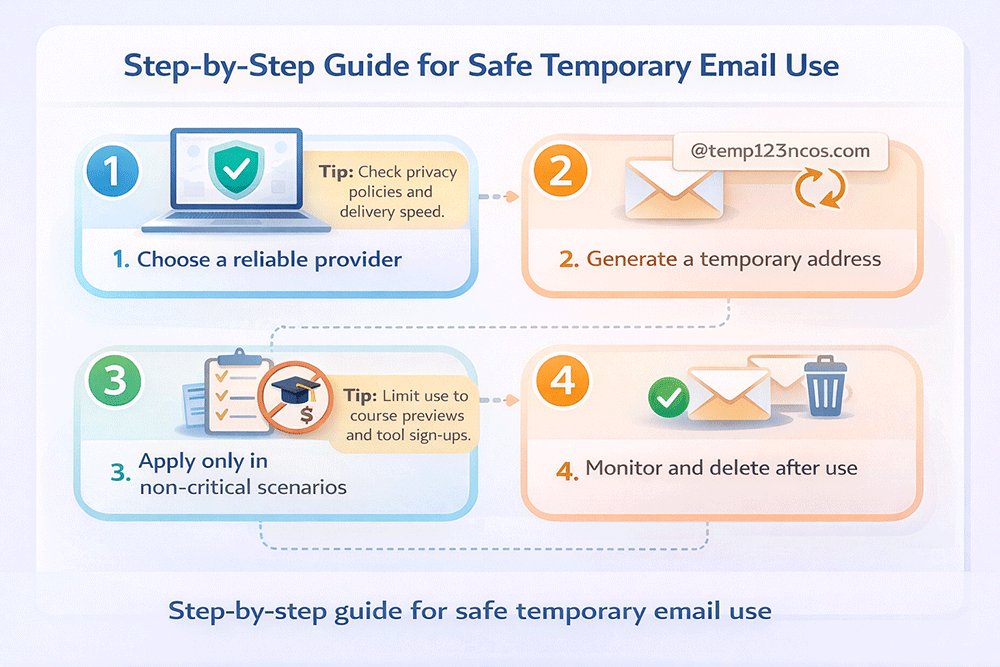
এই ধাপগুলো অনুসরণ করা নিশ্চিত করে যে, শিক্ষা সংক্রান্ত পরিস্থিতিতে শিক্ষার্থীদের জন্য 'edu টেম্পোরারি মেইল' একটি নিরাপদ এবং কম ঝুঁকিপূর্ণ টুল হিসেবে থাকবে। সঠিক প্রোভাইডার নির্বাচন, উদ্দেশ্যমূলক ব্যবহার এবং যথাযথভাবে মুছে ফেলার মাধ্যমে শিক্ষার্থীরা শিক্ষার রিসোর্সগুলোতে অ্যাক্সেস বজায় রেখেও নিজেদের গোপনীয়তা রক্ষা করতে পারে।
Edu টেম্পোরারি মেইল সম্পর্কে সচরাচর জিজ্ঞাসিত প্রশ্নাবলী (FAQ)
❓১. টেম্পোরারি মেইল কি একটি .edu ইমেলের বিকল্প হতে পারে?
না। টেম্পোরারি ইমেল কোনো অফিসিয়াল .edu ঠিকানার বিকল্প হতে পারে না। এটি শুধুমাত্র স্বল্পমেয়াদী এবং কম গুরুত্বপূর্ণ অ্যাক্সেসের জন্য ব্যবহার করুন, যেমন কোর্সের ট্রায়াল, রিসোর্স ডাউনলোড বা স্টুডেন্ট টুল টেস্টিং। গ্রেড, ট্রান্সক্রিপ্ট বা আর্থিক অ্যাকাউন্টের জন্য সবসময় আপনার অফিসিয়াল একাডেমিক ইমেল ব্যবহার করুন।
❓২. শিক্ষামূলক প্ল্যাটফর্মগুলো কি টেম্পোরারি ইমেল ব্লক করবে?
কিছু প্ল্যাটফর্ম অপব্যবহার রোধ করতে টেম্পোরারি ইমেল শনাক্ত ও সীমাবদ্ধ করে। যদি আপনার ইমেল ব্লক হয়ে যায়, তবে শক্তিশালী ডেলিভারি রেকর্ড আছে এমন নির্ভরযোগ্য পরিষেবা ব্যবহার করার কথা বিবেচনা করুন অথবা সহায়তার জন্য সাপোর্ট টিমের সাথে যোগাযোগ করুন। গুরুত্বপূর্ণ প্ল্যাটফর্মের জন্য বারবার একই টেম্পোরারি ঠিকানা ব্যবহার করা এড়িয়ে চলুন।
❓৩. কোর্সের জন্য টেম্পোরারি ইমেল ব্যবহার করা কি বৈধ?
হ্যাঁ, শিক্ষামূলক ট্রায়াল বা প্রিভিউয়ের জন্য টেম্পোরারি ইমেল ব্যবহার করা সাধারণত বৈধ। মূল বিষয় হলো প্ল্যাটফর্মের পরিষেবার শর্তাবলী মেনে চলা এবং অপব্যবহার এড়িয়ে চলা। শুধুমাত্র এমন পরিস্থিতিতে টেম্পোরারি ইমেল ব্যবহার করুন যেখানে পরিচয় জালিয়াতি বা প্রাতিষ্ঠানিক নীতি লঙ্ঘনের কোনো বিষয় নেই।
❓৪. আমি কি টেম্পোরারি মেইলের মাধ্যমে ভেরিফিকেশন কোড পেতে পারি?
হ্যাঁ। বেশিরভাগ টেম্পোরারি ইমেল পরিষেবা তাৎক্ষণিকভাবে ভেরিফিকেশন কোড প্রদান করে। নিশ্চিত করুন যে আপনার প্রোভাইডার দ্রুত ডেলিভারি সমর্থন করে এবং দীর্ঘ সময় ডাউনটাইম থাকে না। টেম্পোরারি ইমেলের মেয়াদ শেষ হওয়ার আগেই রেজিস্ট্রেশন সম্পন্ন করতে ইনবক্সটি দ্রুত চেক করুন।
❓৫. আমি কীভাবে একটি নির্ভরযোগ্য edu টেম্পোরারি মেইল প্রোভাইডার বেছে নেব?
এমন একটি পরিষেবা নির্বাচন করুন যা তাৎক্ষণিক ইনবক্স, ন্যূনতম ডেটা সংরক্ষণ এবং স্পষ্ট গোপনীয়তা নীতি প্রদান করে। এমন প্রোভাইডার এড়িয়ে চলুন যারা ব্যবহারকারীর কার্যকলাপ লগ করে বা অপ্রয়োজনীয় ব্যক্তিগত তথ্য চায়। একটি নির্ভরযোগ্য পরিষেবা শিক্ষা সংক্রান্ত পরিস্থিতিতে গোপনীয়তা এবং ব্যবহারযোগ্যতা উভয়ই নিশ্চিত করে।
❓৬. কোনো প্ল্যাটফর্ম টেম্পোরারি ইমেল ব্লক করলে কী করব?
সীমাবদ্ধতাগুলো বাইপাস করার চেষ্টা করবেন না। এর পরিবর্তে, আপনার সেকেন্ডারি পার্মানেন্ট ইমেল ব্যবহার করার কথা বিবেচনা করুন অথবা প্ল্যাটফর্মের সাপোর্টের সাথে যোগাযোগ করুন। টেম্পোরারি ইমেল কম ঝুঁকিপূর্ণ এবং কম গুরুত্বপূর্ণ পরিস্থিতিতে সবচেয়ে ভালো কাজ করে, যেখানে ভেরিফিকেশন প্রয়োজন কিন্তু পরিচয়টি দীর্ঘমেয়াদী অ্যাক্সেসের সাথে যুক্ত নয়।
❓৭. MOOCs এবং লার্নিং টুলের জন্য কি টেম্পোরারি ইমেল ব্যবহার করা যায়?
হ্যাঁ, ম্যাসিভ ওপেন অনলাইন কোর্স (MOOCs) এবং প্রোডাক্টিভিটি টুলের প্রিভিউ, ট্রায়াল বা স্বল্পমেয়াদী পরীক্ষার জন্য এটি ব্যবহার করা যেতে পারে। পূর্ণাঙ্গ এনরোলমেন্ট বা সার্টিফিকেটের জন্য এটি ব্যবহার করা এড়িয়ে চলুন। এটি কোর্সের ফলাফল বা দীর্ঘমেয়াদী অ্যাক্সেসের সাথে আপস না করেই গোপনীয়তা নিশ্চিত করে।
❓৮. একাধিক প্ল্যাটফর্মের জন্য টেম্পোরারি ইমেল পুনরায় ব্যবহার করলে কি কোনো ঝুঁকি আছে?
একই টেম্পোরারি ইমেল বারবার ব্যবহার করলে তা আপনার পরিচয় গোপন রাখার ক্ষমতা কমিয়ে দিতে পারে এবং ইনবক্সে জঞ্জাল বাড়াতে পারে। গোপনীয়তা বজায় রাখতে প্রতিটি পরিষেবার জন্য একটি ইউনিক ঠিকানা তৈরি করুন। উদ্দেশ্যমূলক অ্যাক্সেস বা ভেরিফিকেশন সম্পন্ন হয়ে গেলে ইমেলটি মুছে ফেলুন।
Edu টেম্পোরারি মেইল: সর্বোত্তম অনুশীলন এবং ভবিষ্যতের সম্ভাবনা
সংক্ষেপে, edu টেম্পোরারি মেইল হলো একটি টুল—কোনো পরিচয় নয়—যা শিক্ষার্থীদের শিক্ষা সংক্রান্ত পরিস্থিতিতে সুবিধা, গোপনীয়তা এবং ঝুঁকির মধ্যে ভারসাম্য বজায় রাখতে সাহায্য করে। কখন দায়িত্বের সাথে টেম্পোরারি ইমেল ব্যবহার করতে হয় তা জেনে আপনি আপনার মূল একাডেমিক ইনবক্সকে অগোছালো না করেই কোর্সগুলো ঘুরে দেখতে, লার্নিং টুল পরীক্ষা করতে এবং রিসোর্স অ্যাক্সেস করতে পারবেন।
গোপনীয়তা সচেতন শিক্ষার্থীদের জন্য যারা দ্রুত অ্যাক্সেস খুঁজছেন, আমাদের মতো একটি নির্ভরযোগ্য টেম্পোরারি ইমেল পরিষেবা সঠিক প্রেক্ষাপটে একটি কার্যকর সমাধান প্রদান করে। ভবিষ্যতের দিকে তাকালে, শিক্ষার জন্য এআই-সমৃদ্ধ টেম্পোরারি মেইলের ব্যবহার বাড়ছে—যা আরও স্মার্ট ইনবক্স ম্যানেজমেন্ট এবং স্বয়ংক্রিয় ভেরিফিকেশনের প্রতিশ্রুতি দিচ্ছে। Statista-এর তথ্য অনুযায়ী, ২০৩০ সালের মধ্যে এআই ইমেল মার্কেট ২৫% বৃদ্ধি পাবে বলে আশা করা হচ্ছে। গুগলের এআই ইন্টিগ্রেশনের মতো টুলগুলো দ্বারা অনুপ্রাণিত এই অ্যাডাপ্টিভ ফিচারগুলো শিক্ষার্থীদের প্রয়োজনের সাথে সামঞ্জস্য রেখে ওয়ার্কফ্লো তৈরি করতে পারে।
- শিক্ষার্থীদের জন্য সেরা টেম্পোরারি মেইল প্রোভাইডার: শিক্ষা ব্যবহারের জন্য বিকল্পগুলো তুলনা করুন।
- টেম্পোরারি মেইল সেফটি গাইড: ঝুঁকি এড়ানোর ধাপ-বাই-ধাপ নির্দেশিকা।
- টেম্পোরারি মেইলের মাধ্যমে কীভাবে ভেরিফিকেশন কোড পাবেন: নির্বিঘ্ন ব্যবহারের জন্য ব্যবহারিক টিপস।
চিন্তাশীল ব্যবহার এবং এই ভবিষ্যৎমুখী টুলগুলোর সমন্বয়ে, আপনি আপনার শিক্ষাজীবনে গোপনীয়তা এবং দক্ষতা বজায় রাখতে পারবেন। আপনার ইনবক্স সুরক্ষিত করতে প্রস্তুত? এখনই আপনার ফ্রি edu টেম্পোরারি মেইল জেনারেট করুন!!